Ouagadougou – Burkina Faso | July 2026
Malaria elimination will not be achieved solely in health centers, laboratories, or policy-making forums. It will also be built within communities, through strong local leadership, committed women’s organizations, and the active participation of women.
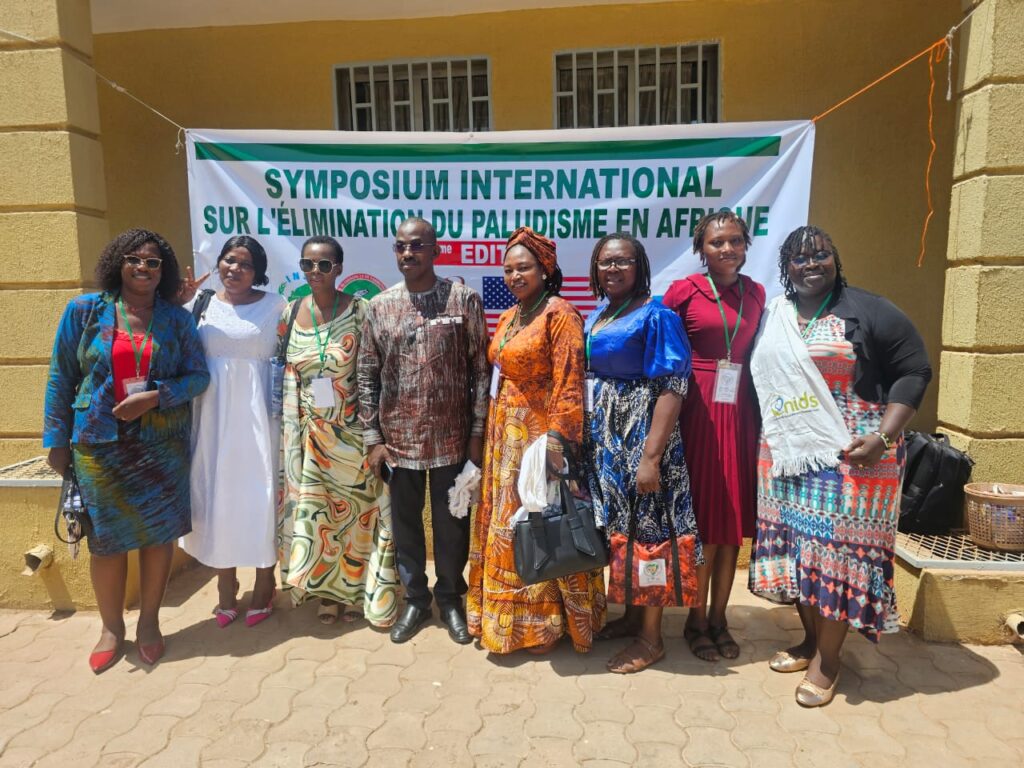
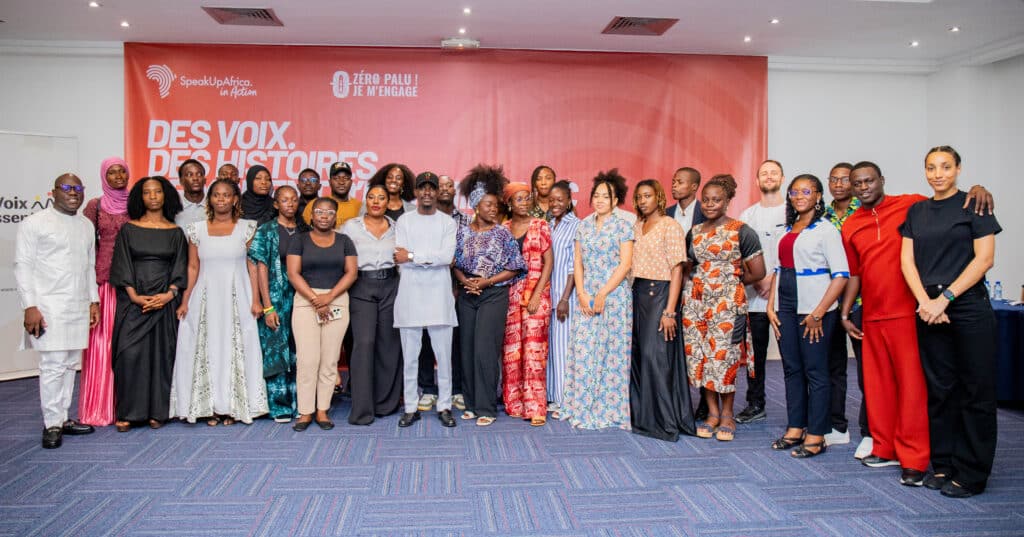
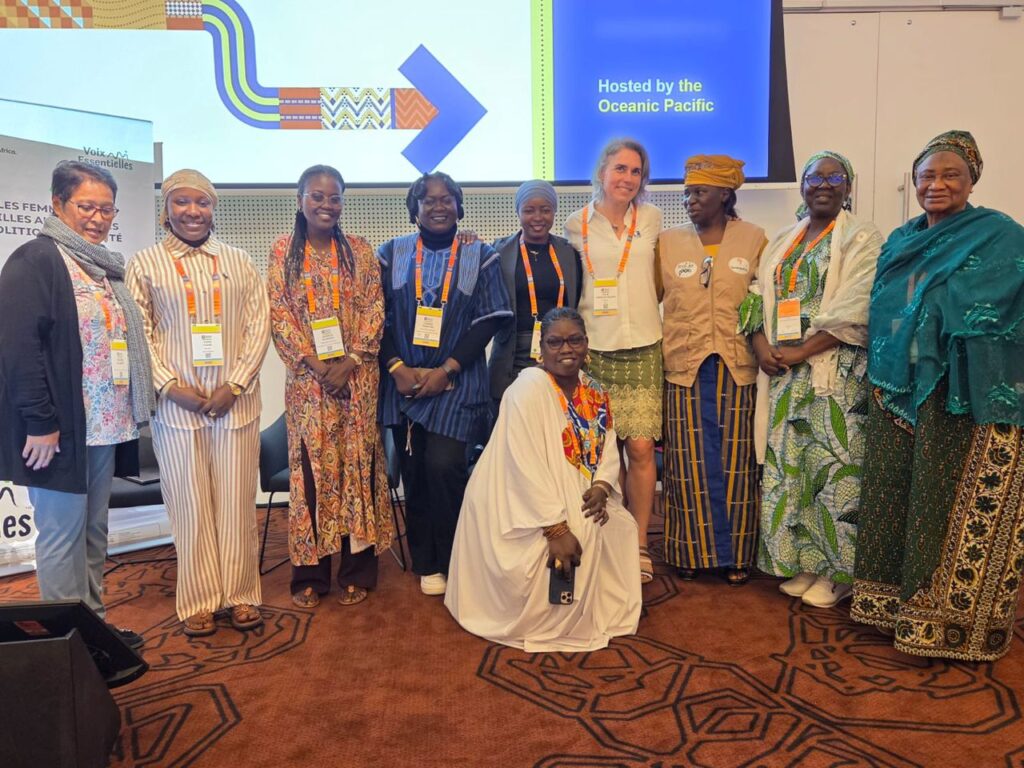
With this conviction in mind, Speak Up Africa supported the participation of ten member organizations of the Voix EssentiELLES Burkina Faso network in the3rd International Symposium on the Elimination of Malaria in Africa, held from July 2 to 4, 2026. This effort continued on the ground in the town of Ipelcé during the Advocacy Day on Women’s Leadership and Community Engagement, organized by the Saponé Health District.
Beyond Speak Up Africa’s institutional participation, the International Symposium provided a strategic opportunity to strengthen the presence and contribution of women’s organizations in a forum bringing together researchers, policymakers, technical and financial partners, health professionals, and civil society organizations.
By facilitating the participation of ten member organizations of the Voix EssentiELLES Burkina Faso network, Speak Up Africa helped strengthen their knowledge of innovations and strategies for eliminating malaria, while fostering dialogue with key stakeholders involved in this effort.
This participation also enabled community-based organizations to share their experiences on the ground, strengthen their networks, and ensure that women’s voices are heard in discussions about policies and strategies for eliminating malaria.
On this occasion, Ms. Roukiattou Ouédraogo, Regional Advocacy Advisor at Speak Up Africa, led a session on the topic “Women’s Leadership and Malaria Elimination, ” highlighting the role of women leaders as essential partners in health policy.
“ Women are already at the heart of the fight against malaria. Our collective responsibility today is to create more opportunities for them to influence decisions, advocate for their communities’ priorities, and contribute fully to policies that will lead to the sustainable elimination of this disease.” Roukiattou Ouédraogo, Regional Advocacy Advisor, Speak Up Africa
A few days later, this momentum continued in Ipelcé.
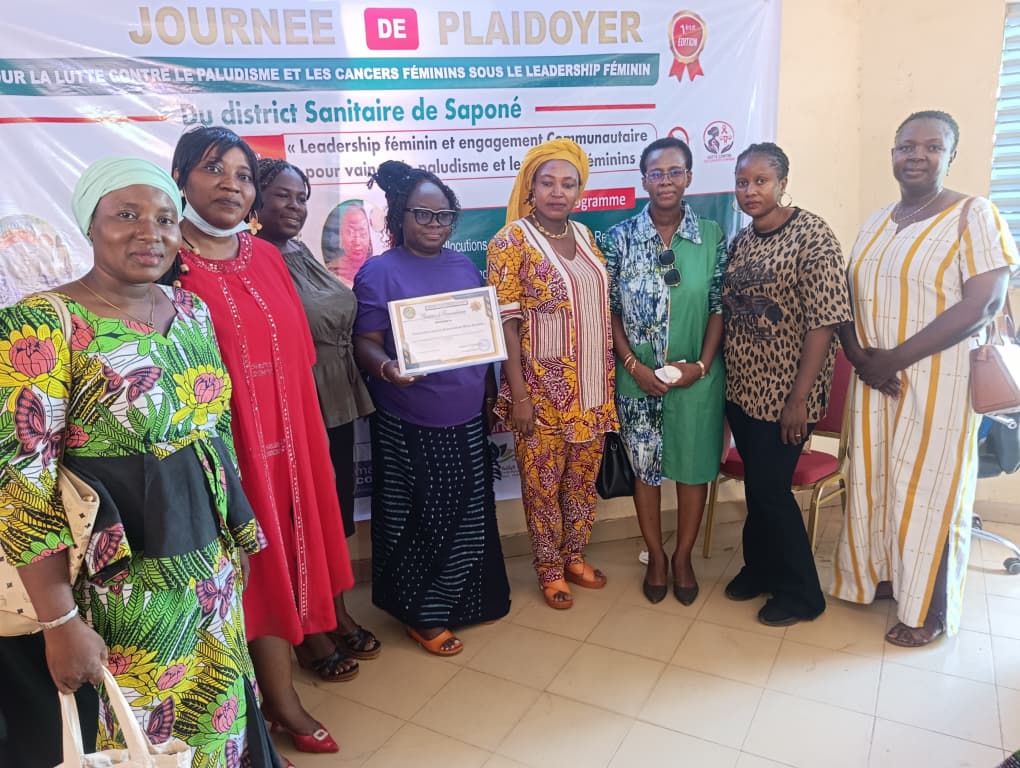
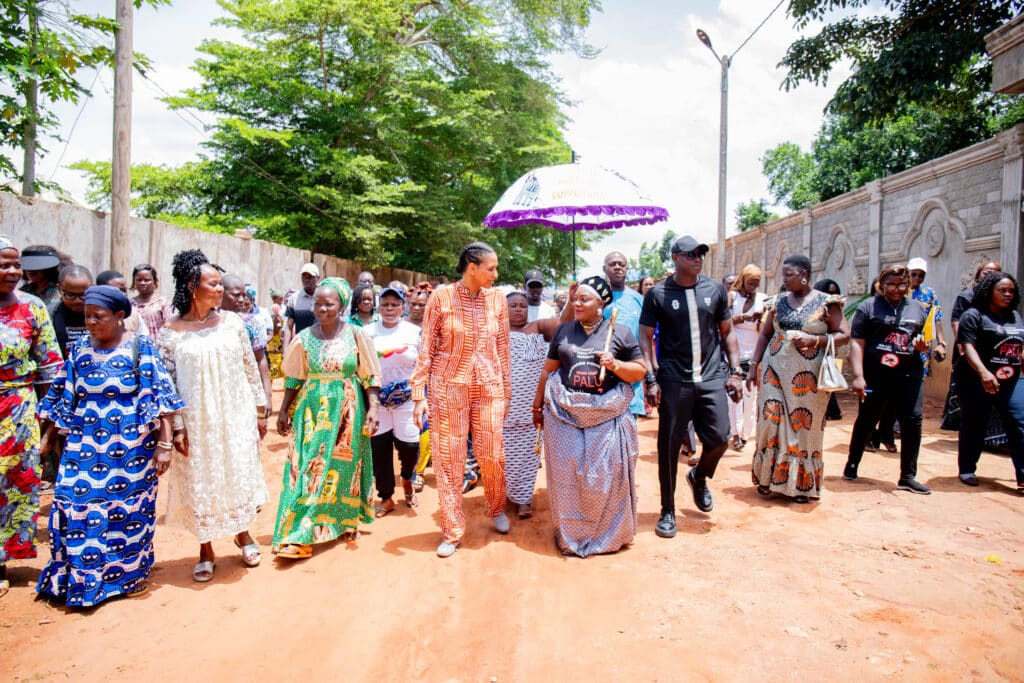
At the invitation of the Saponé Health District, Speak Up Africa’s Regional Advocacy Advisor led a conference on the topic “Women’s Leadership: A Strategic Lever to Accelerate the Elimination of Malaria, ” as part of an Advocacy Day that brought together government officials, health officials, women’s organizations, community leaders, the media, and citizens.
The purpose of this initiative was to bridge the gap between national-level discussions and the realities faced by communities, in order to strengthen local commitment to eliminating malaria.
The discussions highlighted not only the essential role of women in malaria prevention, but also the need to strengthen their participation in governance bodies, support women’s organizations, and develop sustainable partnerships between communities and institutions.
These two events illustrate the same approach championed by Speak Up Africa.
On the one hand, to strengthen the participation of women’s organizations in the forums where public policy is shaped.
On the other hand, to support communities so that these policies are effectively implemented on the ground.
This synergy illustrates Speak Up Africa’s approach, which involves linking advocacy, women’s leadership, and community engagement to accelerate the elimination of malaria in a sustainable manner.
Through capacity building, forums for dialogue, advocacy initiatives, and their growing participation in national processes, our Voix EssentiELLES are strengthening their influence in health governance and helping to ensure that communities are heard.
By investing in women’s leadership and their organizations, Speak Up Africa helps build a movement of women leaders capable of influencing public policy, mobilizing their communities, and accelerating the elimination of malaria in Burkina Faso and beyond.
Across Africa, World Malaria Day 2026 reaffirmed a truth that is all too often overlooked: women are at the heart of the response, but are still not sufficiently involved in decision-making.
Through the Voix EssentiELLES movement—a network of grassroots community organizations led by committed women leaders—a common demand has now emerged: to move beyond simply recognizing women’s role in malaria management to ensuring their inclusion in health governance and their participation in decisions that affect them.
For it is they who, on a daily basis, are the primary providers of home-based care, the first to detect symptoms, and the first to promote the use of mosquito nets and preventive behaviors. Yet they are still too often absent from the forums where policies and strategies are decided, particularly regarding essential tools such as insecticide-treated nets or community-based approaches.
A continental movement led by Voix EssentiELLES
The Voix EssentiELLES movement, supported by Speak Up Africa and its partners, is part of a transformative women’s leadership initiative focused on health systems, placing women at the center of solutions.
With support from the World Health Organization and national malaria control programs in various countries, the activities carried out in 2026 demonstrated one key point: malaria elimination will only be possible with strong, inclusive, and women-led community leadership.
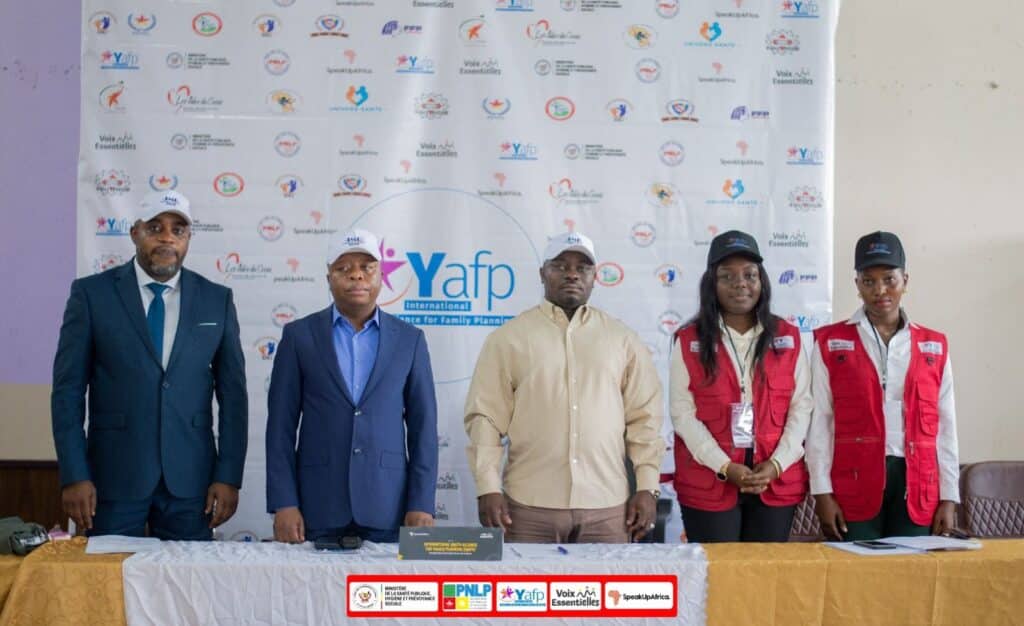
In the DRC, the official celebration of World Malaria Day 2026 featured strong involvement from the Essential Voices | Women’s Leadership Against Malaria in the DRC project, alongside SANRU and PATH.
The celebration of the day made it possible to:
Another highlight was the advocacy roundtable with provincial health authorities, where the women emphatically stated: “We are at the heart of the fight; we must be at the heart of the decisions.”
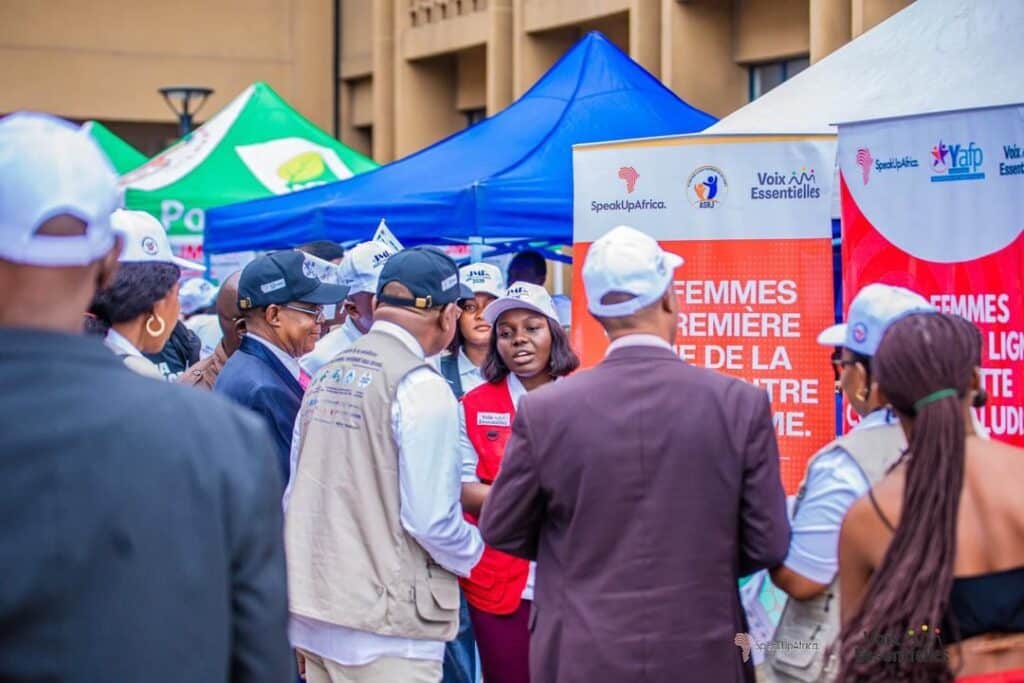
JMP 2026 was marked by a strong advocacy effort led by organizations in Anyama-Adjamé in collaboration with the National Malaria Control Program.
The activities highlighted:
Women's organizations also sent a strong message: without women's decision-making autonomy, the fight against malaria remains incomplete.
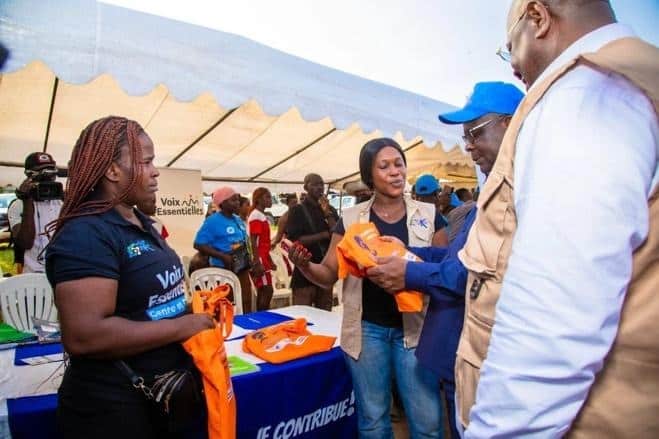
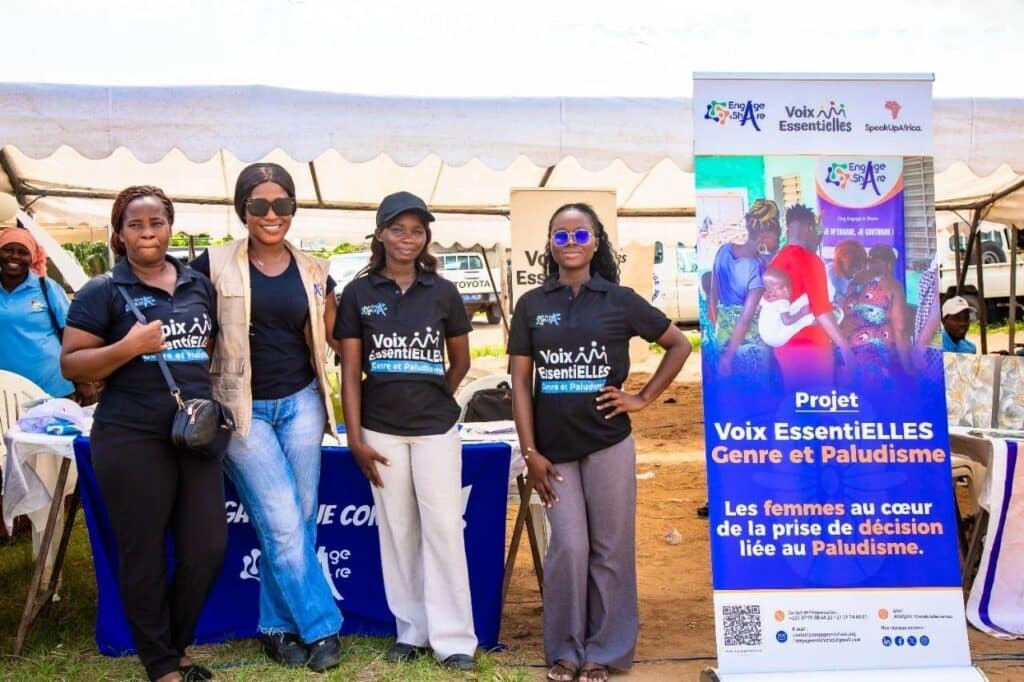
Les Voix EssentiELLES have helped foster an innovative movement that combines culture, media, and community engagement.
Notable initiatives include:
These activities have shown that women are powerful agents of social change, capable of turning information into community action.
For more information:
https://www.facebook.com/share/v/1CrGx1K1S9
https://www.facebook.com/share/v/1B6k5y7vRT/b
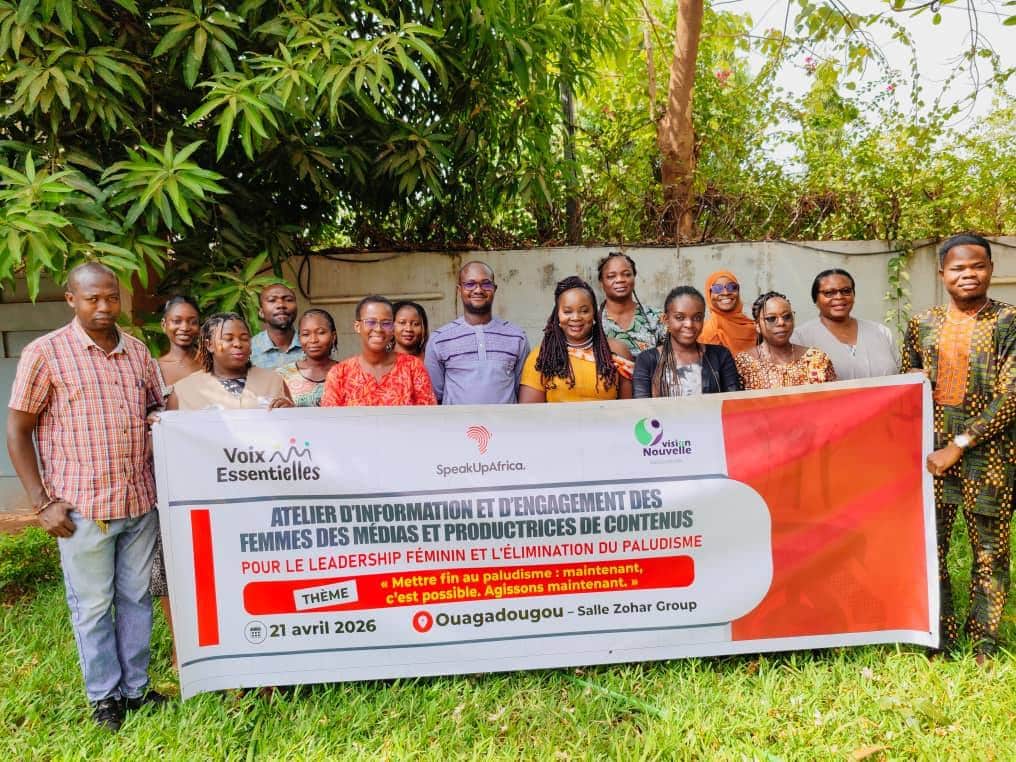
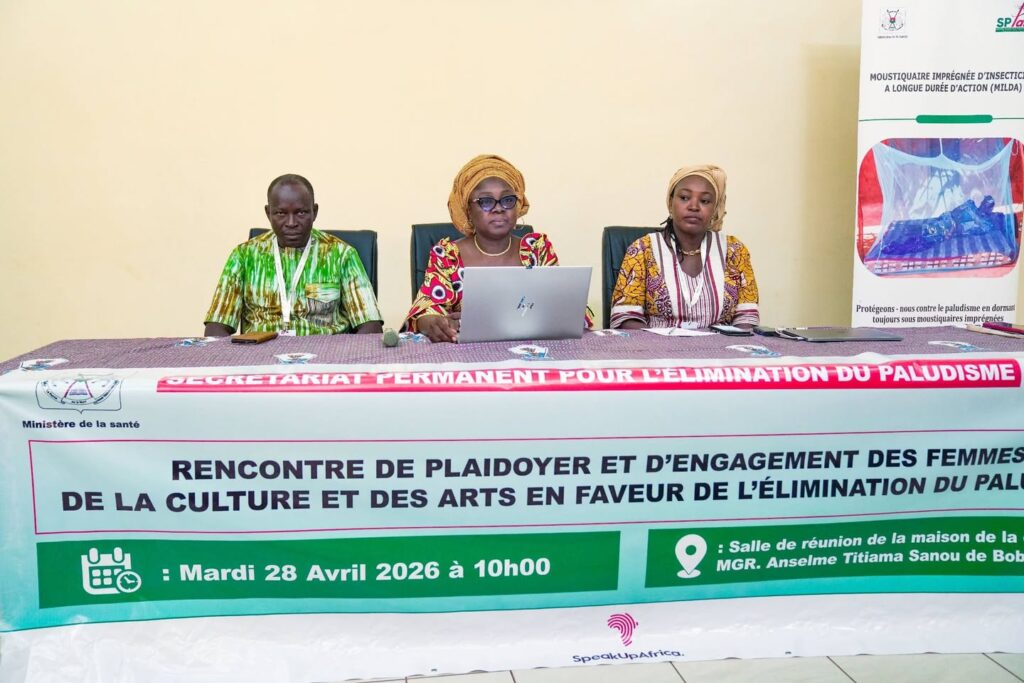
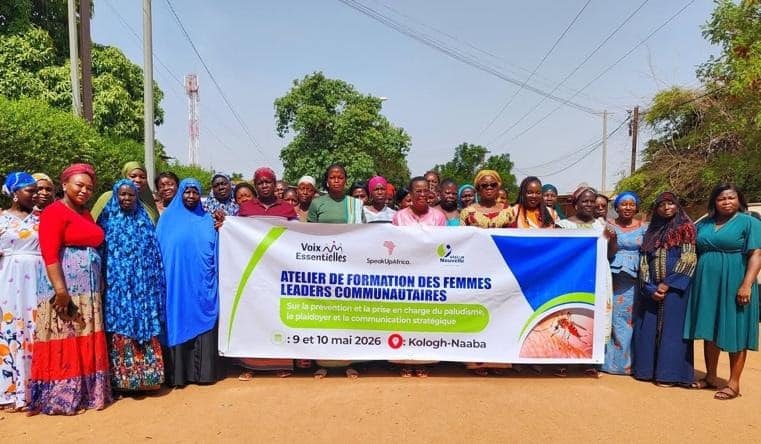
Community mobilization efforts in Khombole and Thiénaba, led by community-based organizations (CBOs), have yielded encouraging results, according to a statement by the district chief medical officer:
These advances show that elimination is possible, but it requires sustained prevention efforts and, above all, the ongoing involvement of women in local strategies.
For more information: https://aps.sn/khombole-moins-de-deux-personnes-sur-1-000-atteintes-de-paludisme-zero-deces-en-2025-medecin-chef/
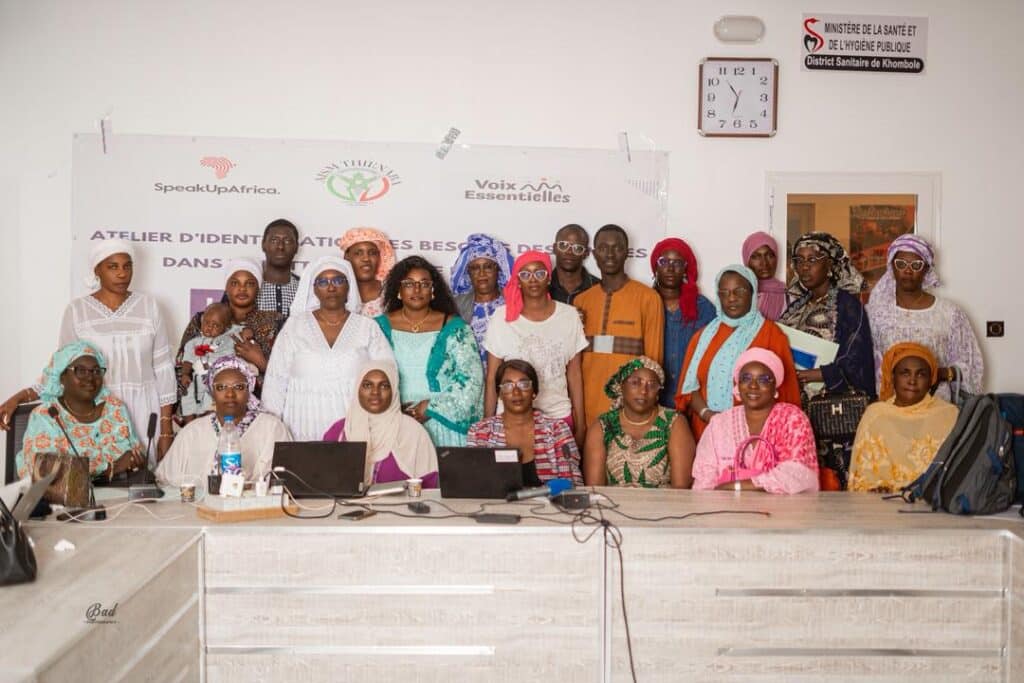
This momentum led to a community advocacy effort in the WAWA 1 district aimed at involving local organizations in community health decision-making processes.
Particular emphasis was placed on women’s participation in local committees, in order to ensure that decisions are more closely aligned with the realities on the ground.
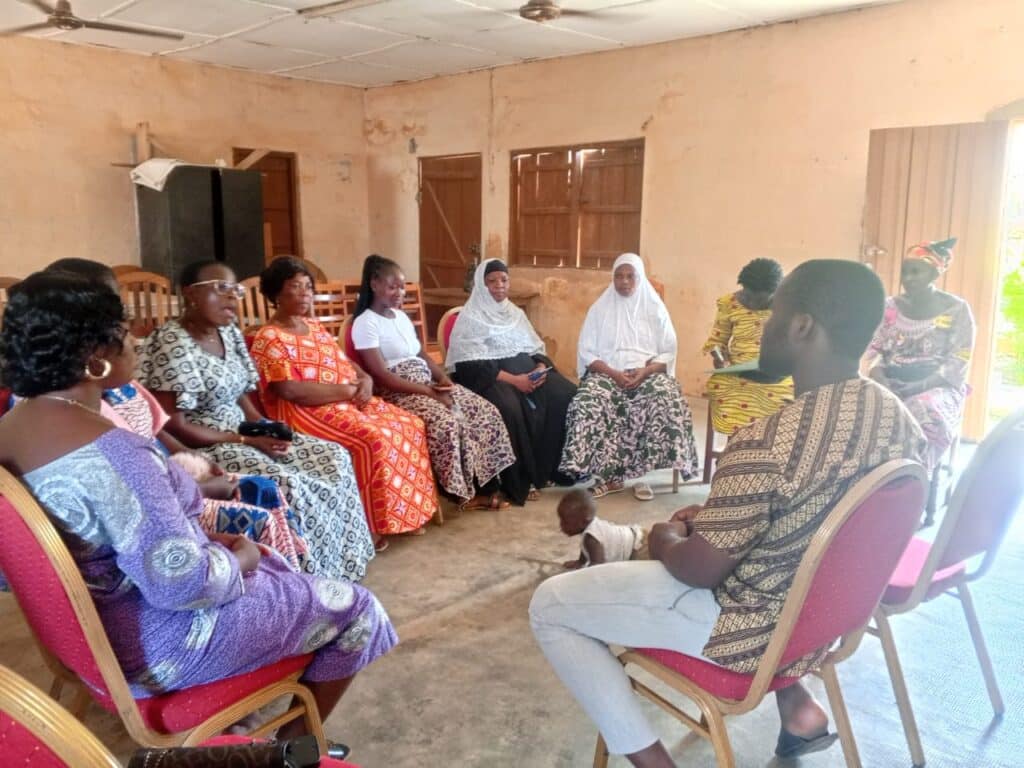
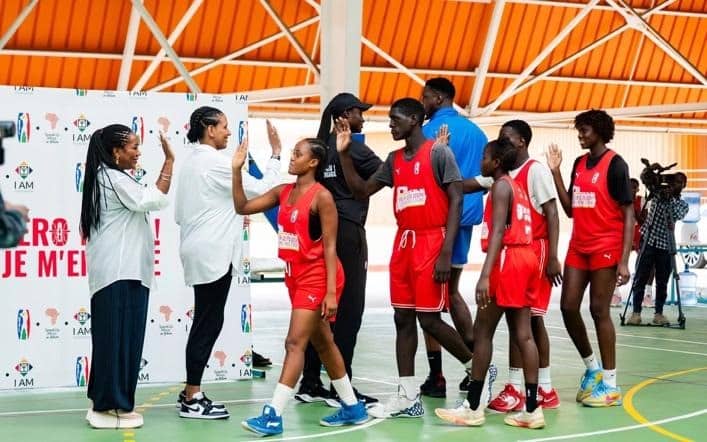
JMP 2026 was celebrated as part of a strong regional initiative that brought together several countries through the Speak Up Africa in Action platform. Sports leaders emphasized that sports can be a powerful tool for raising awareness and driving social change.
The activities included:
Everywhere, one message stands out:
The Voix EssentiELLES movement is therefore calling for structural change:
JMP 2026 is not just a commemoration. It is a call to action.
A call led by women, communities, and committed organizations.
A clear call to action: Malaria elimination will only be possible if the women who carry out prevention efforts on a daily basis are also the ones who decide on prevention strategies.
Les Voix EssentiELLES will continue to champion this cause, driven by a strong conviction:
👉 Putting women at the center of decision-making will accelerate the elimination of malaria.
By Farida Tiemtoré, Founding President of the Réseau des Héroïnes du Faso, Voix EssentiELLE of Burkina Faso, and Member of the Global Fund’s Youth Council
Climate justice, health, and women’s rights were at the heart of the discussions at Women Deliver 2026, driven by a strong conviction: climate crises are never neutral. They exacerbate the inequalities already faced by adolescent girls, young women, and women, particularly in terms of health and sexual and reproductive rights.
The Voix EssentiELLES Network of Burkina Faso had the honor of participating in this international conference thanks to the support of Speak Up Africa, our strategic partner and the initiator of the Voix EssentiELLES program. This support enabled us to take part in a global forum for reflection and advocacy, and above all, to bring the realities on the ground to where they need to be heard.
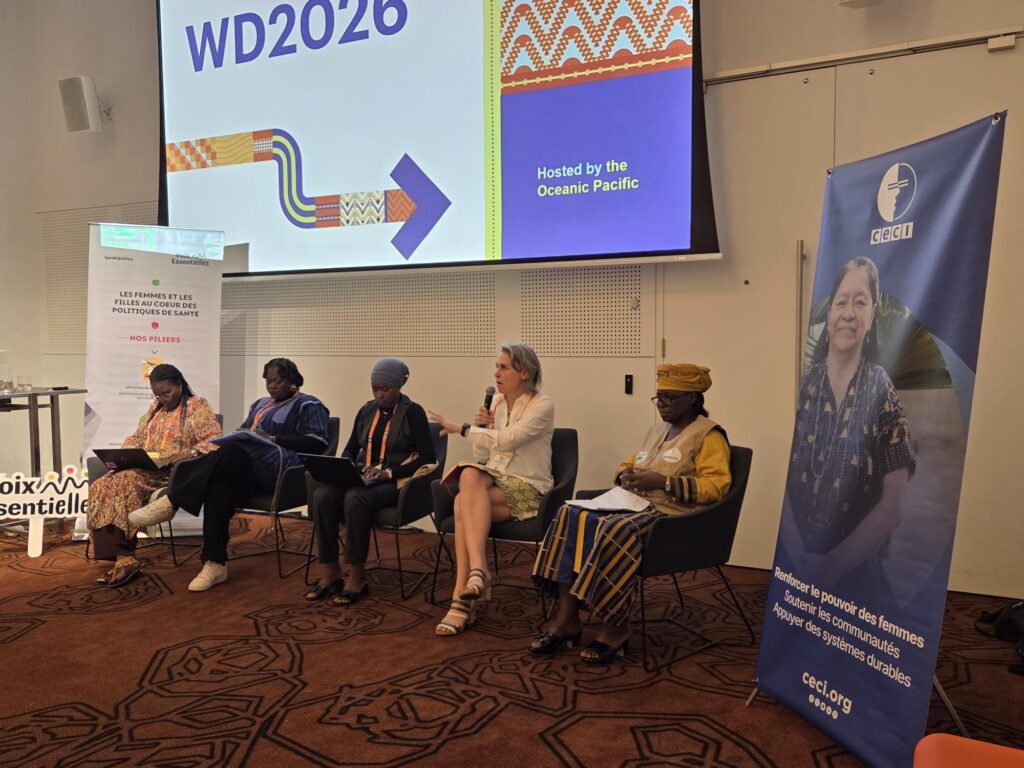
Women Deliver 2026, which brings together thousands of stakeholders from around the world at each event, provided a premier platform for dialogue. Together with CECI, we co-organized a panel discussion on the links between climate justice, sexual and reproductive rights, and collective action by women in West Africa.
The discussions, moderated by Faïzatou Sirandou Sylla, Secretary General of the Réseau des Héroïnes du Faso and Voix EssentiELLE in Burkina Faso, brought together committed women activists working on complementary issues in the field.
Jessica Hessouh, ofthe Association of Senegalese Women Lawyers (AJS), shared innovative approaches to supporting adolescent girls who are victims of gender-based violence, particularly sexual violence. Her presentation underscored the importance of access to justice, information, and protection mechanisms in ensuring the bodily autonomy of girls and women.
Julie Théroux-Séguin of CECI highlighted the challenges faced by feminist organizations as some donors gradually withdraw their support. She emphasized the need to strengthen alliances, advocacy strategies, and feminist approaches rooted in local realities to ensure the continuity of women-led initiatives.
As the discussion progressed, one thing became clear: solutions already exist within communities, but they still receive too little recognition and support on a large scale.
During my remarks, I made a point of highlighting a reality that is still too often overlooked in international debates:
“The impact of climate change is still too often discussed in isolation from sexual and reproductive health and rights. Yet it is a key factor in the rise of gender-based violence and health challenges for girls and women, particularly in the Sahel.”
In many communities, the effects of climate change are exacerbating existing vulnerabilities. Forced displacement, food insecurity, limited access to healthcare, and humanitarian crises leave women and adolescent girls more vulnerable to violence, early marriage, and poor health.
Yet it is also these women who document the realities on the ground, raise awareness, provide support, and develop solutions tailored to the needs of their communities.
This session underscored a fundamental truth: climate justice cannot be conceived without the rights of women and girls.
In my presentation, I also discussed the evolution of the Réseau des Héroïnes du Faso, which has grown from an activist blog into a community-based feminist organization thanks to the Voix EssentiELLES program.
In contexts where access to information remains unequal, digital technology is becoming a powerful tool for young girls and women to express themselves, raise awareness, and take action.
As Faïzatou Sirandou Sylla pointed out:
“When digital technology truly serves communities—especially young people—it becomes a tool for self-determination. It breaks down isolation, ensures access to reliable information, and strengthens the freedom to make decisions about one’s own body, particularly for young girls. And because climate crises hit the most vulnerable hardest, this power to take action also becomes a step toward climate justice.”
Through the initiatives led by Voix EssentiELLES, young girls and women are no longer merely recipients of information. They are becoming active participants, advocates, and solution providers.
In her remarks, Pauline Nana, president of the Association for the Support of Vulnerable Children and Women (ASEFV), highlighted the vital role of community-based organizations in responding to climate crises.
Drawing on fieldwork conducted with women and girls, she demonstrated how local initiatives led by member organizations of the Réseau Voix EssentiELLES strengthen efforts in the areas of health, awareness-raising, and protection.
His message resonated like a collective call:
“Our voices are essential to say no to the impact of climate change on the health of women and girls, and yes to the success of the struggle of women and girls.”
What the speakers collectively emphasized was a shared conviction: when local organizations led by women are recognized and supported as true partners, the solutions become more appropriate, more effective, and more sustainable.
Women Deliver 2026 was an important opportunity to highlight that climate, health, and social issues are deeply intertwined with the rights of women and girls.
Above all, this session highlighted the power of solutions driven by the communities themselves. Through advocacy, legal support, community partnerships, and digital tools, local organizations are developing concrete solutions rooted in their own realities.
Because women and girls aren’t just affected by crises.
They are also at the heart of the response.
On the occasion of March 8, 2026 — International Women's Rights Day
Preface
This year, the theme of International Women's Day, "Rights. Justice. Action. For ALL women and girls," resonates as an urgent call to action. A call that echoes the realities that millions of women and girls face every day, profound obstacles that jeopardize their personal and social development and advancement.
And yet, on the ground, they are resisting and transforming not only their own lives, but also those of their communities.
Through the Essential Voices initiative, we support 76 grassroots community organizations in six countries in West and Central Africa (Benin, Burkina Faso, Côte d'Ivoire, Togo, Democratic Republic of Congo, and Senegal) to ensure that women and girls have a say in decisions that affect their health, safety, and future.
The following five stories are no exception. They illustrate what becomes possible when women are accompanied, supported, and recognized as agents of change. They tell of rights claimed, justice obtained, and actions taken where sometimes the context made victory impossible.
On March 8, we are sharing the achievements of five of our organizations. Because their voices are essential.
In the Couffo department of Benin, where malaria incidence exceeded 57% in 2025, the Reine Adjignon Natabou Foundation (FRAN) has launched an ambitious advocacy campaign to accelerate the elimination of malaria by 2030.
As the disease continues to hit communities hard, women and girls are among those most at risk. Yet they remain too often absent from decision-making spaces: excluded from strategies, invisible in the development of responses.
To anchor change in local realities and better respond to community needs, FRAN mobilized women religious, traditional, and community leaders. Together, they brought the voices of the most vulnerable households to decision-makers and played a key role at every stage of the process.
Working hand in hand, they organized community consultations in the municipalities of Klouékanmè, Toviklin, and Lalo, led an awareness-raising caravan that reached more than 1,000 people, and co-developed 2026 action plans incorporating gender-sensitive measures.
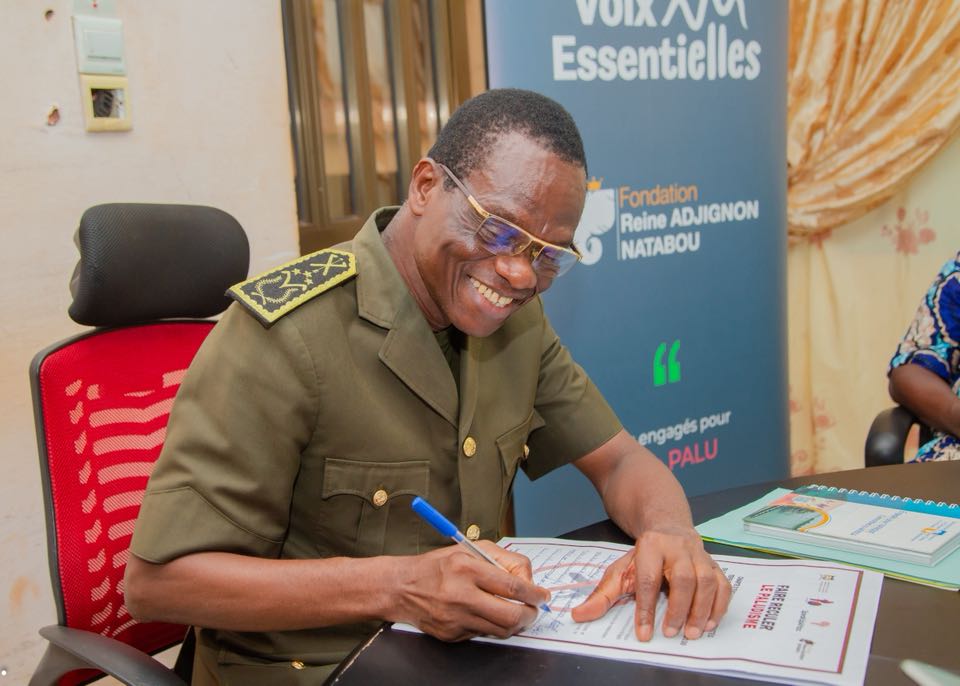
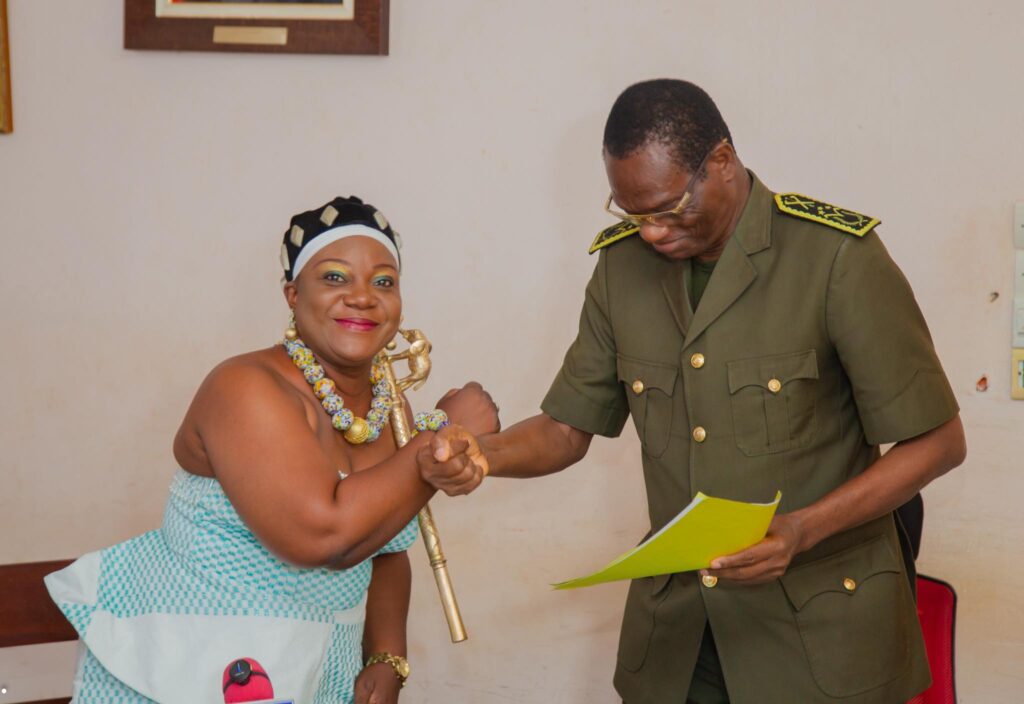
This mobilization led to a historic result: the signing of a charter of commitment by the Prefect of Couffo and the mayors of the municipalities, recognizing the need to allocate budgetary resources dedicated to the fight against malaria.
This breakthrough demonstrates a key reality: when women's leadership is recognized, organized, and supported, health policies change. Women are no longer mere beneficiaries of programs—they become actors and architects of the decisions that shape their future.
In Côte d'Ivoire, gender-based violence remains too often buried in silence. Marie-France Kouakou has chosen to make it visible through images, words, and action.
A communications specialist and expert in gender and development, she founded the NGO Overcome Women with one conviction: to change attitudes so that no woman is ever again a victim of violence. Under her leadership, the organization develops innovative community programs, organizes awareness-raising caravans mobilizing thousands of people across the country, and produces films that give a human face to realities that are often silenced. Among them is Silence Mortel, a deeply moving thriller about domestic and sexual violence, screened at our event in Dakar in partnership with our partner Canal+ as part of the 16 Days of Activism.
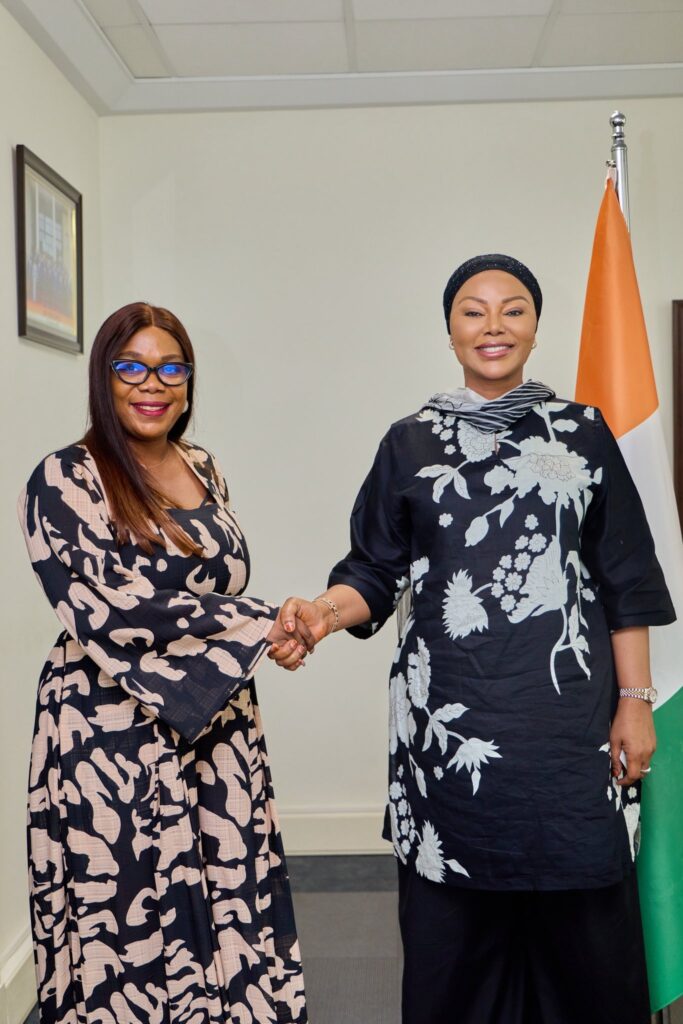
Marie-France Kouakou does not stop at the field. Her commitment has opened the doors to the highest authorities: consultant to the World Bank and the UNESCO Chair on Women and Decision-Making, appointed in February 2025 as Country Chair of the G100, the network of the world's most influential women, she joined the Ivorian Ministry in 2026. Women and Decision-Making, and appointed Country Chair of the G100, the network of the world's most influential women, in February 2025, she joined the Ivorian Ministry of Women, Family, and Children in 2026 as Director of Women's Economic Empowerment.
From civil society to decision-making spheres, Marie-France Kouakou embodies what Voix EssentiELLES holds dear in its mission: organized women whose leadership transforms policies, practices, and perspectives in the service of communities.
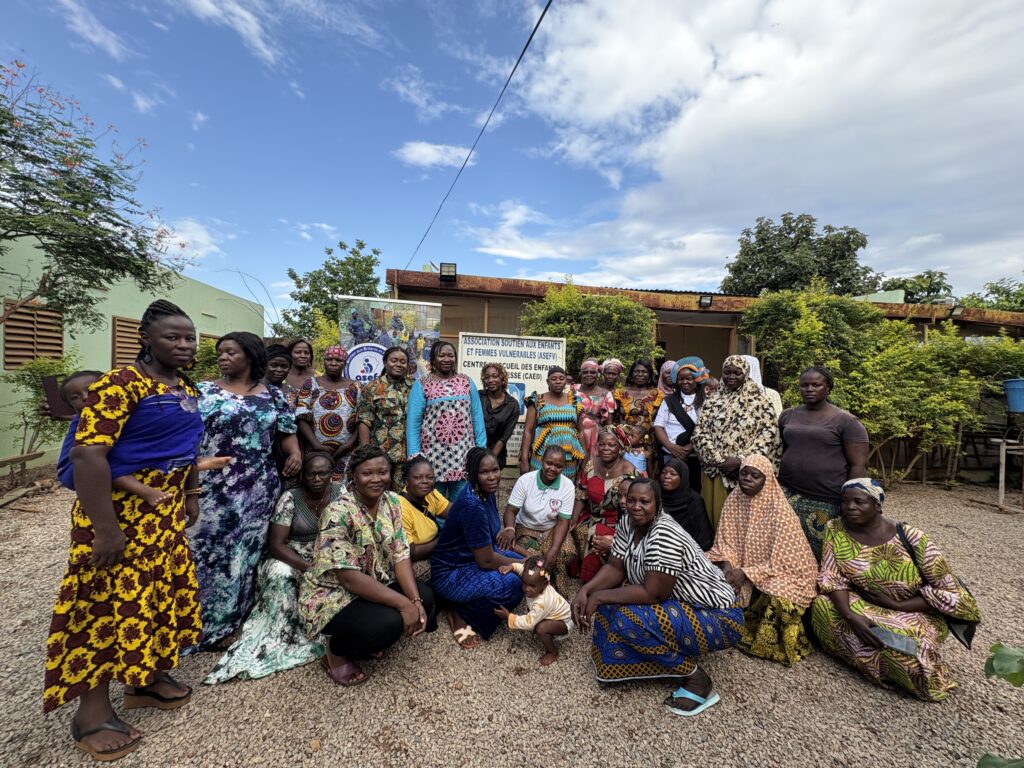
In Saaba, a rural community on the outskirts of Ouagadougou, violence against women and children was a daily occurrence and considered inevitable. In a predominantly illiterate population, women were unaware of their rights, financially dependent on their spouses, and often lived in isolation. Thirty of them had been identified by the Association Soutien aux Enfants et Femmes Vulnérables (ASEFV) as survivors of gender-based violence, with no safety net, no recourse, and no prospects.
ASEFV opted for a comprehensive response: not only supporting victims, but transforming the dynamics of the entire community. Its headquarters became a shelter for women and children in distress. Listening circles were set up so that women could talk, be heard, and rebuild their lives. Capacity-building sessions have been organized for local men. And when alerts come in from other local associations, ASEFV mobilizes its network to find collective solutions.
But the organization went even further: aware that economic dependence is one of the main drivers of violence, it organized training sessions to empower women about their rights and introduce them to entrepreneurship. Three months after the training, the majority of participants had launched their own income-generating activities. Among them, Rihanata Bamogo, 50, testifies: "Before the training, I had lost confidence in myself. Today, with my small Kokodonda business, I earn a decent living and take care of my family. I have regained a useful and respected place in my community." Rihanata is now asked to share her experience at talks on women's rights and organizes training sessions for other women herself.
What ASEFV has built in Saaba is a chain of solidarity: associations that help each other, men who educate themselves, women who get back on their feet and, in turn, reach out to others.
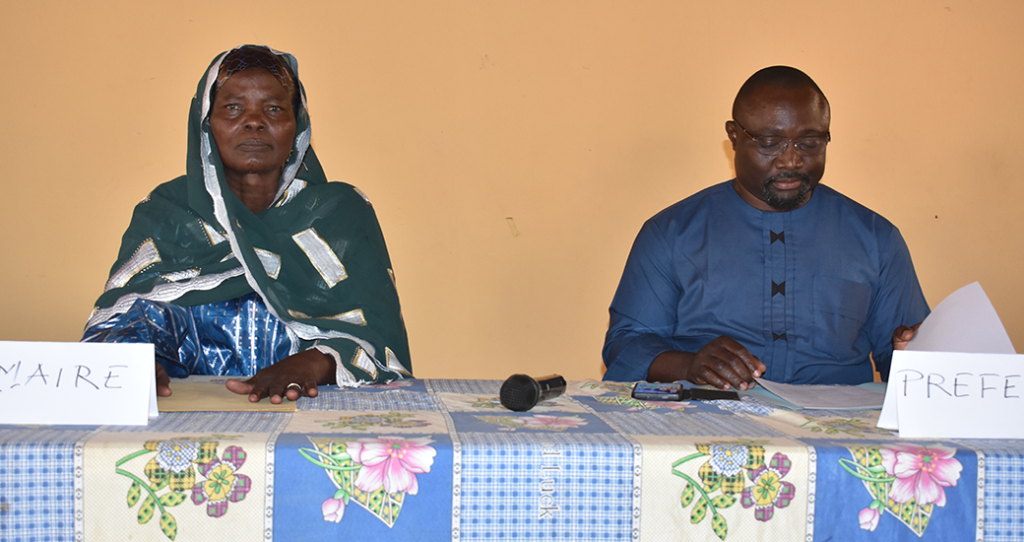
In the Savanes region in northern Togo, women had long been excluded from decisions that shaped their daily lives. Community councils, local budgets, development plans—everything was decided without them. Patriarchal norms, resistance from traditional leaders, and a lack of confidence among women themselves perpetuated this exclusion.
Faced with this situation, the Women and Development Network (REFED), a member organization of Voix EssentiELLES, has engaged in methodical and patient advocacy: visits to the governor, prefects, mayors, and 18 canton chiefs in the prefecture of Tône, leadership-building workshops, radio campaigns, and mixed community dialogues. This multi-pronged strategy and sustained effort aims to challenge "norms" and finally enable women to influence decisions that affect them.
The results are now concrete and historic.
Ms. TIAME Namgore, 53, now serves as a municipal councilor for the commune of Tône 4. I used to think that these responsibilities were reserved for men. Thanks to training and advocacy, I have come to understand that my voice matters.
Ms. DOUTI GOURYAMA Yendoukoi, 45, was elected Deputy Mayor of Tandjouéré 1 in July 2025, a historic first for the municipality. "I am proof that when women are trained and supported, they can transform their communities."
Ms. N’GAME Tchandame, 56, became the first female mayor of the municipality of Oti-Sud 1, in a community where, in her own words, “women were meant to have children and stay at home.”
Three women. Three municipalities. One movement: that of an organization which, thanks to the support of Voix EssentiELLES, has been able to transform advocacy into real power.
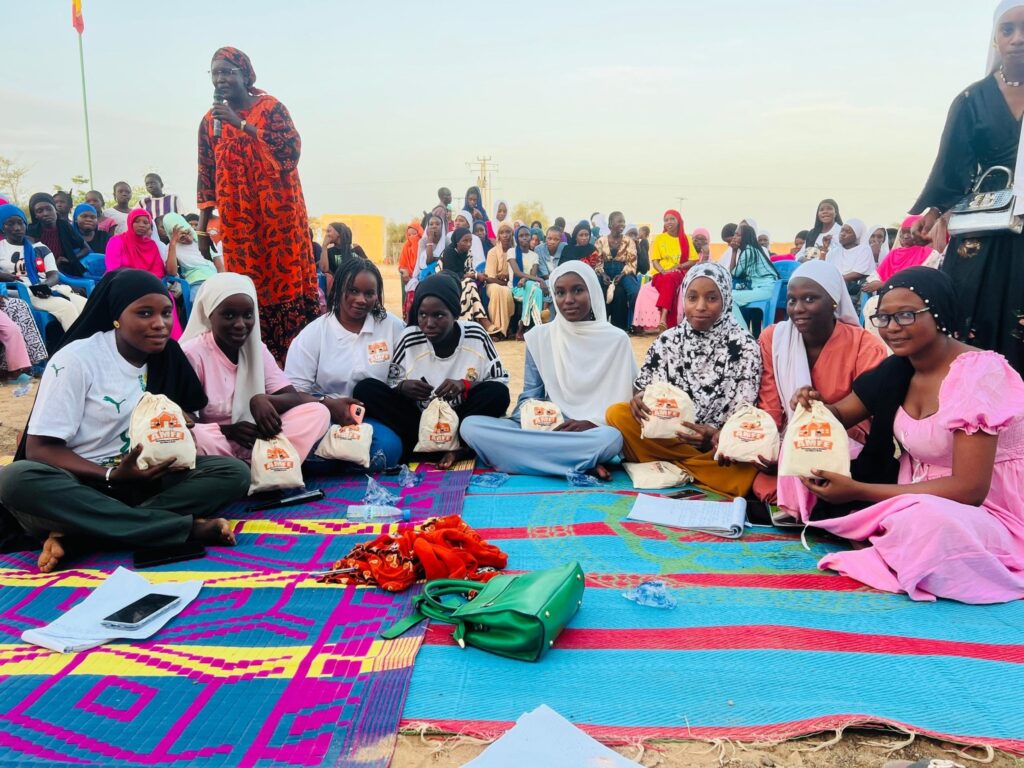
Ramatoulaye Dia saw her future slip away when decisions were made for her. Like many young girls in her Fulani community in Ouro Mollo, in the Matam region of Senegal, she was married at an early age. Her path was then set, according to the cultural expectations of her region, and taking care of her home became her only priority, to the detriment of her studies.
Ramatoulaye's life changed when she joined a girls' association in her hometown of Matam. There, she learned about her rights, regained her self-confidence, and found the strength to make decisions for her own well-being. This association is AMFE Senegal (Association pour le Maintien des Filles à l'École), an organization supported by Voix EssentiELLES. A little over a year after joining, she left her marriage. Not to break with her community, but to find herself.
She continued her studies, obtained her high school diploma, and is now pursuing a university degree in geography, specializing in climatology. Rewriting her story has led her to reach out to other girls in her community who are also deprived of their rights.
Today, Ramatoulaye raises awareness in schools, facilitates intergenerational community dialogues, and advocates for girls' education in local forums. In Ouro Mollo, she brings together the village chief, the imam, dignitaries, and religious leaders around the same table to openly address the issue of female genital mutilation and early marriage.
What Voix EssentiELLES has supported here is not just one woman's journey. It is the transformation of a beneficiary into a leader capable of influencing her family, her peers, and the guardians of social and moral power in her community.
Rights. Justice. Action. These are not just words. They come to life in the stories of Ramatoulaye, Marie-France, Hortense, N'Game, Tiame, Douti, and thousands of other women and girls whom our organizations support every day.
In a context where funding is declining and rights are being challenged, these stories remind us of an essential truth: that change is possible. And often, it starts with a woman who decides to take her place, a woman who raises her voice, inspires others to follow her lead, and paves the way for a more just future for all.
Kinshasa, DRC
On Saturday, March 7, 2026, on the eve of International Women’s Day, Speak Up Africa officially launched the Mentorship Program of the Voix EssentiELLES | Women’s Leadership Against Malaria initiative in Kinshasa, Democratic Republic of the Congo.
The event brought together health and government officials, technical and financial partners, civil society organizations, mentors, and mentees from the program in the DRC, Burkina Faso, and Côte d’Ivoire.
The Democratic Republic of the Congo accounts for nearly 12.6% of the global burden of malaria. In 2022, the country recorded more than 27 million cases and nearly 25,000 deaths, making malaria the leading cause of death. Women, who are particularly vulnerable, are too often excluded from decision-making spaces: only 37% of married women actively participate in decisions regarding their health.
Developed as part of the Voix EssentiELLES | Women’s Leadership Against Malaria project with support from the Global Fund, this mentoring program aims to strengthen the leadership skills of 16 women from civil society organizations in the DRC, Burkina Faso, and Côte d’Ivoire, with the goal of increasing their participation in health and community governance bodies.
The launch ceremony featured high-level speeches, including one by the Honorable National Deputy Dieudonné Mposhi, Chair of the Malaria Committee of the DRC National Assembly, who noted that malaria is the leading cause of death in the DRC and emphasized the importance of supporting women’s participation and inclusion in health governance.
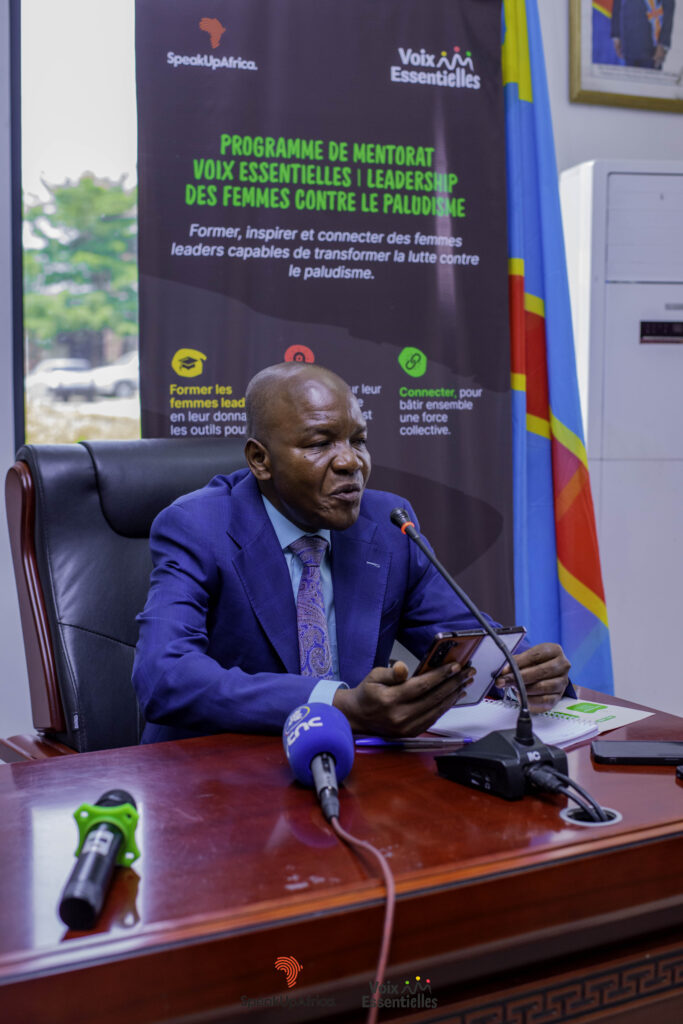
“This mentoring program is a concrete solution. When women are involved, communities are more engaged and the results are more sustainable.” The Honorable Dieudonné Mposhi
The day continued with an inspiring panel discussion on the theme “The Impact of Women’s Leadership in Various Sectors, ” featuring renowned women leaders: Clarisse Mbo Modiri, Head of Department at the PNLP; Euphrasie Kayembe, journalist and communications expert; Caroline Norah Pindi, President of the Association of Women Architects of Congo; and the Honorable Christelle Vuanga, Member of the National Assembly.
Drawing on the diversity of their professional backgrounds, they have made concrete contributions that demonstrate the real impact of women’s leadership at various levels.
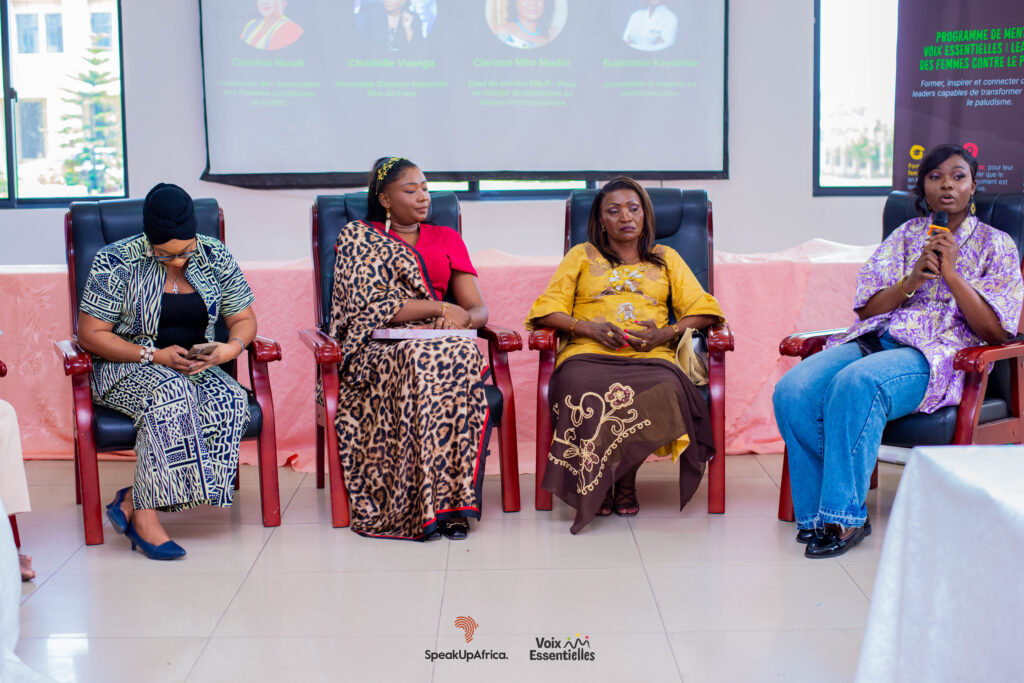
“When a woman takes her place in health governance, it’s not just her who moves forward—it’s an entire community she protects. In my 26 years working to combat malaria, I’ve learned that women’s leadership isn’t something you claim; it’s something you prove, one community at a time.” Clarisse MBO MODIRI
An initial mentoring session led by mentor Euphrasie Kayembe was also held in the afternoon for the mentees. They received guidance on the topic “Communicating with Impact: Public Speaking.”
Voix EssentiELLES | Women’s Leadership Against Malaria is an initiative implemented by Speak Up Africa with support from the Global Fund in three countries: the Democratic Republic of the Congo, Burkina Faso, and Côte d’Ivoire. It aims to strengthen the leadership of women and girls at the heart of the fight against malaria in Francophone Africa by facilitating access to resources for community-based organizations and supporting their ability to influence national health policies and programs.
In Ouagadougou, women's organizations, health authorities, and technical partners gathered at a multisectoral forum organized as part of the Essential Voices | Women's Leadership Against Malaria initiative. The goal: to institutionalize gender in national malaria control policies and position women's leadership as a key lever for elimination in Burkina Faso.
Ouagadougou, February 17, 2026 – In a country where malaria remains the leading cause of medical consultations and hospitalizations, elimination cannot be achieved without the structured mobilization of women, who are a key target group for malaria, as well as children under the age of 5. It was in this context that the multisectoral forum "Women & Malaria: Transforming Female Leadership into a Force for Malaria Elimination" was held, organized as part of the Essential Voices | Women's Leadership Against Malaria initiative, led by Speak Up Africa and funded by the Global Fund.
According to the Ministry of Health's 2024 statistical yearbook, malaria accounts for:
These figures highlight the urgent need for a coordinated, inclusive, and sustainable response.
Women, who are at the forefront of households and communities, are responsible for prevention, promoting the correct use of mosquito nets, providing care support, and monitoring the treatment of family members. However, their strategic role is still insufficiently integrated into decision-making and budgetary processes.
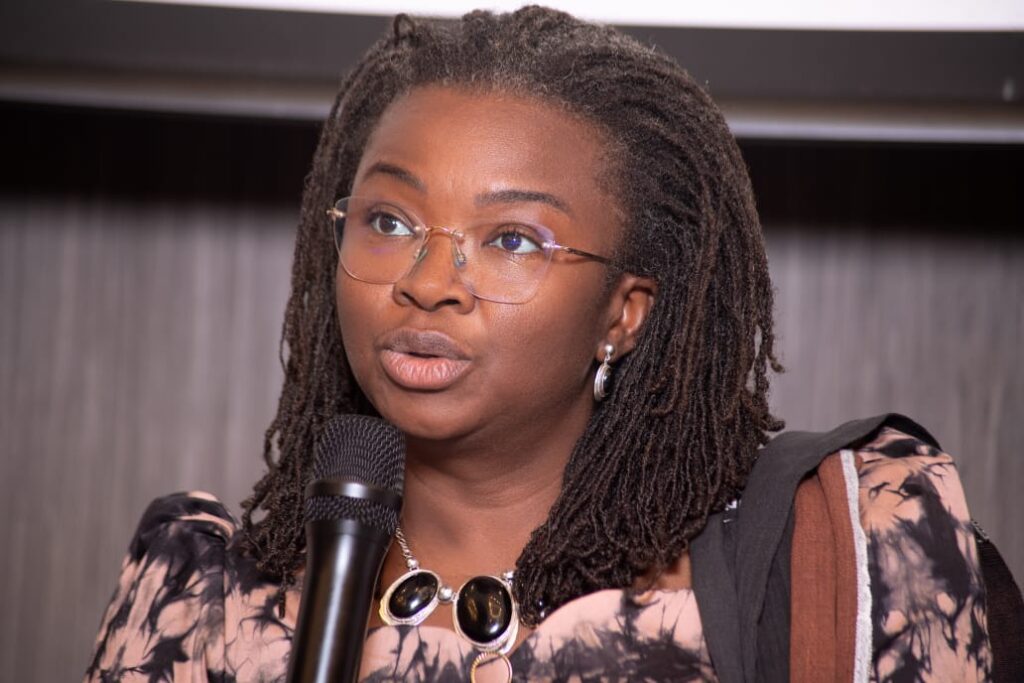
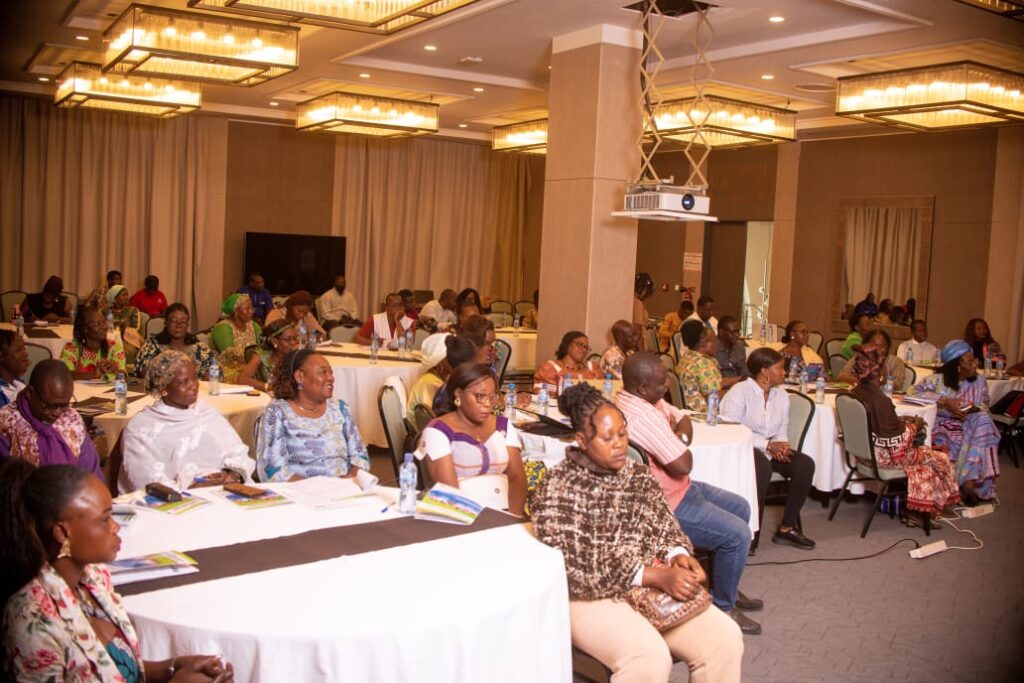
Bringing together SP-Palu, sectoral ministries, technical and financial partners, community leaders, and civil society organizations, the forum provided a structured framework for dialogue and engagement. In the fight against malaria, women are both priority targets and key actors. As such, they must play a full and active role in strategic decision-making, as community influencers, guardians of prevention, and trusted intermediaries.
This change, driven by women from these communities, is based on three essential conditions:
This forum, held as part of the Essential Voices | Women's Leadership Against Malaria initiative, highlighted the importance of community action in health governance. Because lasting change stems from the connection and alignment between policies and dialogue with communities, with a view to jointly developing appropriate strategies.
As stated by Irène Zoungrana, President of the Vision Nouvelle Association:
"To defeat malaria in Burkina Faso, women must be involved in the fight."
At the heart of the discussion: how can female leadership be turned into a sustainable institutional lever?
This forum identified three priority areas:
The validation of a roadmap accompanied by a monitoring mechanism marks a significant step forward toward a structured and measurable contribution by women's organizations to the national goal of elimination.
For Roukiattou Ouédraogo, Regional Advocacy Advisor at Speak Up Africa:
"Giving women a voice means recognizing their ability to influence public policy, mobilize resources, and bridge the gap between community realities and national decisions."
Eliminating malaria is not solely the responsibility of the health sector. It involves institutions responsible for gender issues, local authorities, religious and traditional leaders, the media, and the private sector.
The representative of SP-Palu, Dr. Sidzabda Kompaoré, welcomed this mobilization, emphasizing:
"This forum is a major opportunity to strengthen coordination and accelerate action toward the elimination of malaria."
In the context of digital transformation, community mobilization and digital communication have also emerged as strategic levers for amplifying impact.
Community organizations (Association Vision Nouvelle, ONIDS, Association KAMY), under the leadership of the Réseau des Voix EssentiElles du Burkina Faso, call on all stakeholders, public institutions, technical and financial partners, community organizations, and opinion leaders to:
Eliminating malaria by 2030 is possible.
It will require strong, coordinated, and inclusive multisectoral mobilization.
And at the heart of this mobilization: women.
By Farida Tiemtoré, Founder of Héroïnes du Faso, Essential Voices of Burkina Faso, and Member of the Global Fund Youth Board
Sport, health, and community leadership came together in Rabat on January 17, 2026, as part of Speak Up Africa in Action. This meeting brought together world football champions, decision-makers, health leaders, and communities. I was there as a female community leader, Voix EssentiELLES, but also as a committed champion of #SpeakUpAfricaInAction, with a clear mission: to give a voice to those who take action every day on the ground, often without being seen or recognized.
I had the honor of speaking on a panel alongside committed figures such as Dr. Michael A. Charles, CEO of the RBM Partnership to End Malaria, Fatma Samoura, former Secretary General of FIFA, and Mr. Mohamed Amine Zariat, President and Founder of Tibu Africa. This diversity of profiles perfectly illustrated the spirit of Speak Up Africa In Action: bringing together sport, health, decision-makers, and communities around the same table to move forward together.
During this panel discussion, I reiterated a reality that we are well aware of on the ground. In our neighborhoods and villages, it is women who educate, care for, mobilize, and protect families. However, when women-led, community-based organizations are not recognized as true partners, the solutions proposed often remain disconnected from the reality on the ground.
Community trust is weakening, particularly on sensitive issues such as vaccination and malaria prevention. Women and children remain underserved. Programs exist, but their impact remains fragile because they are not sufficiently supported from within.
Conversely, when these organizations are recognized as true Essential Voices, everything changes. Actions become more appropriate. Trust is established because the messages come from well-known and respected women. People are no longer just beneficiaries: they become agents of change.
Since 2022, I have been proud to be a product of the Voix EssentiELLES initiative, which has given me the space, legitimacy, and strength to carry this voice further.
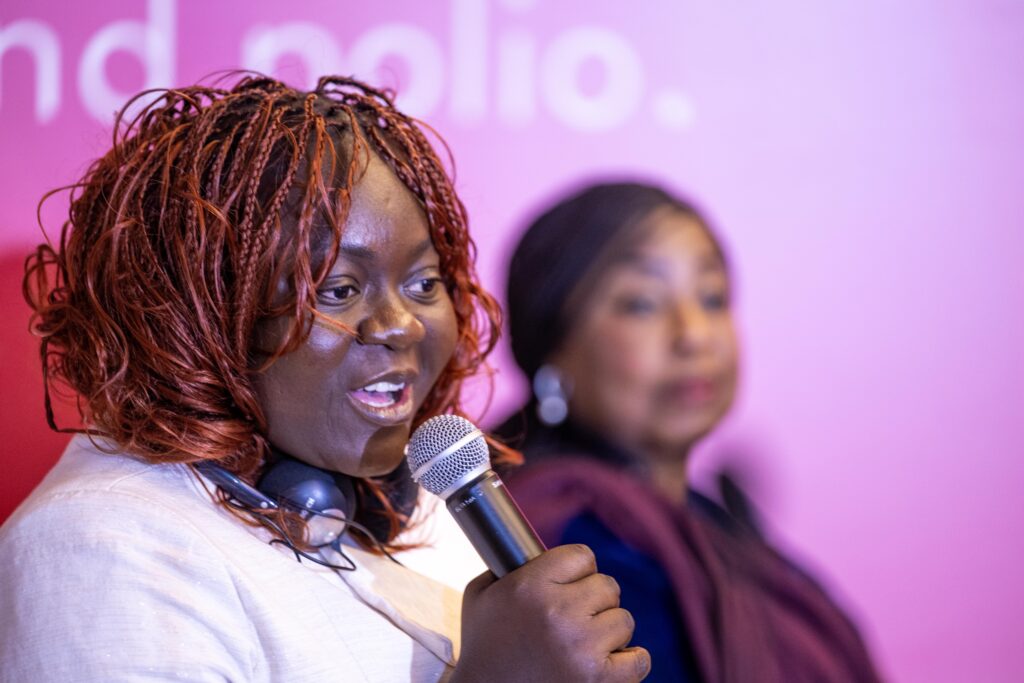
When I was asked what I believed was the key to achieving success together, my answer was clear: recognition and investment in Essential Voices. What we ask for, as women community leaders, is not just to be invited to the table. It is to be recognized as true partners.
As in sports, you can never win with just one player. Every voice counts, and it is together that we can go all the way. This is precisely what Speak Up Africa In Action demonstrates: a platform where community voices are visible and heard. Here, we don't speak for communities, we speak with them.
By drawing on the power of sport and the commitment of champions, this initiative demonstrates that promises can be turned into concrete actions, particularly in the fight against malaria and for the health of communities.
I leave Rabat with an even stronger conviction: empowering women means investing in sustainable leadership based on experience, legitimacy, and the capacity for transformation within communities.
With them, the last mile finally becomes achievable.
By Dr. Christian Rusangwa, Director of Technical Assistance at Muso, and Josiane Adja N’Koh Kouame, President of the NGO GNOUWIETA
Ending HIV is no longer a scientific challenge. It is a moral choice, and the world has five years to make it.
We often talk about ending HIV/AIDS as a technical goal. But for us—as an African scientist and a community advocate—the issue is deeply human. Behind every statistic lies a life that could have been saved, a family that could have stayed together, a future that could have been preserved. The tools exist. Science is ready. What is missing is the courage to confront the inequalities that keep the epidemic alive.
Imagine a world where no baby is born with HIV, where no teenager loses her future because of a preventable infection, and where people living with HIV are neither feared nor judged. That world is well within our reach.
But to achieve this, we must stop treating equity as optional. History will not remember how advanced our technologies were. It will remember whether we chose to make them accessible to everyone.
If some people still believe that HIV is “under control,” they need only look at who remains the most affected.
Two-thirds of people living with HIV reside in sub-Saharan Africa, and adolescent girls and young women account for more than 60% of new infections. In Eastern Europe and Central Asia, new infections are on the rise, not for biological reasons, but because of punitive laws and the criminalization of people who use drugs. Even wealthy countries fail to protect Black, migrant, LGBTQI+, and racialized communities. These disparities are not accidental. They result from political choices, social norms, and underfunding of the actors who know their communities best.
That is why we insist: African scientists and civil society must be at the heart of decision-making.
We understand the realities. We understand the obstacles. And we know what works. Yet we remain underfunded and marginalized in global political forums.
Let’s acknowledge how far we’ve come. At the height of the epidemic, access to treatment was a privilege reserved for a select few. Today, more than 30 million people are receiving antiretroviral treatment. AIDS-related deaths have fallen by 70%.
New prevention tools—self-testing, injectable PrEP, and long-acting treatments—are redefining autonomy and choice.
But with waning political attention and stagnant funding, these hard-won gains are now under threat. In 2023 alone, 1.3 million people were newly infected and 630,000 died from AIDS-related causes. Meanwhile, global funding is declining, and the inequalities seen during the COVID-19 pandemic are reemerging. The Global South waited for vaccines. It now risks waiting for innovations against HIV.
Ending HIV requires more than just new tools. It requires putting an end to the injustices that make some people more vulnerable than others.
We need governments willing to repeal discriminatory laws that force people to hide and live in the shadows. We need societies willing to combat the stigma that still prevents so many people from seeking and accessing care. We need leaders willing to seriously invest in prevention.
These failures are not inevitable. They are tolerated and can therefore be turned around.
The International Conference on AIDS and STIs in Africa (ICASA) demonstrates how African researchers, practitioners, and community leaders are developing solutions tailored to our realities. But international solidarity is waning, and donor fatigue is a real concern.
That is why we maintain that ending HIV will depend on three fundamental changes:
1. Increased domestic funding.
The hardest-hit countries cannot rely indefinitely on uncertain external aid. Sustainability requires local investment.
2. Fostering local partnerships, particularly with the private sector.
Businesses benefit from a healthy population. They should be encouraged to support innovation and access to preventive care and treatment.
3. Greater accountability on the part of multilateral institutions, and a central role for the leadership of high-burden countries.
No effective global response is possible without transferring power to those most affected.
We are at a crossroads. Ending HIV is no longer a matter of new scientific breakthroughs, but of the will to eliminate long-standing injustices.
The question is simple: Do we have the courage to choose equity? If so, the generation that witnessed the outbreak of the pandemic could also see its end. If not, history will not judge us by what we knew, but by what we refused to change.
Ending HIV is possible. Its fate will depend on our political will and our collective belief that every life, everywhere, has equal value.
Dr. Christian Rusangwa is a Champion of the African Voices in Science initiative and Director of Technical Assistance at Muso, where he leads the expansion of community health initiatives. His work highlights the importance of evidence-based strategies and technical support for scaling up community-led responses.
Ms. Josiane Adja N’Koh Kouame is a founding member of the NGO GNOUWIETA, where she has held several leadership positions and actively contributes to the defense of human rights and social welfare. Since 2024, she has served as Vice President of the Network for Action to Promote Inclusive Sexual and Reproductive Health and Rights (AP-SDRi) and as Auditor for the Essential Voices Network in Côte d’Ivoire.She advocates for health governance centered on civil society and champions inclusion as a lever to combat structural inequalities and drive sustainable change.
Launched in July 2021 on the sidelines of the Generation Equality Forum, with financial support from the CHANEL Foundation and the Global Fund to Fight AIDS, Tuberculosis and Malaria, Voix EssentiELLES aims to strengthen the meaningful participation of women and girls, in all their diversity, in decision-making forums that shape health policies and programs. Implemented by Speak Up Africa, the program supports women’s community organizations in Burkina Faso, Côte d’Ivoire, and Senegal through a dedicated fund and support for leadership and capacity building.
AVoS is a pan-African initiative led by Speak Up Africa to strengthen the continent’s voice and leadership in health research, development, and innovation. Launched in 2020, AVoS brings together African scientists, researchers, and policymakers to bring African perspectives to global decision-making, support investment, and promote health solutions designed by Africa and for Africa. By leveraging the continent’s expertise, AVoS aims to improve health outcomes, strengthen health security, and unlock Africa’s economic potential in the health sector.
Every year on October 11, International Day of the Girl Child, we are reminded that the promises made to girls often remain suspended between ambition and reality. In a world where equality policies abound but struggle to transform daily life, two organizations supported by the Voix EssentiELLEs initiative, the Réseau des Jeunes pour la Promotion de l'Abandon des Mutilations Génitales Féminines et des Mariages d'Enfants (RJPA-MGF-ME) in Senegal and the Groupe de Jeunes Filles et Femmes Autonomes (GJFA-ONG) in Benin offer an inspiring counter-narrative: that of local empowerment, led by girls, for girls.
In Sédhiou, the facts speak for themselves: a girl is twice as likely to drop out of secondary school as a boy. Behind these statistics lie faces, stories and unfulfilled dreams. In addition to education, there are also the heartbreaking testimonies received by the Youth Network, highlighting in their stories the obstacles they face, especially in terms of female circumcision and early marriage. The Youth Network was born of this urgency, of this desire to no longer leave girls on the sidelines of decisions that concern them.
The main problem that the Youth Network is trying to solve is the fight against excision and child marriage, which constitutes a violation of their fundamental rights. Its members have not only decided to "raise awareness": they have chosen to transfer power. Girls are encouraged to become ambassadors for the fight against GBV in their schools and communities. They co-facilitate workshops, take part in digital campaigns and design local actions as part of the organization's advocacy work.
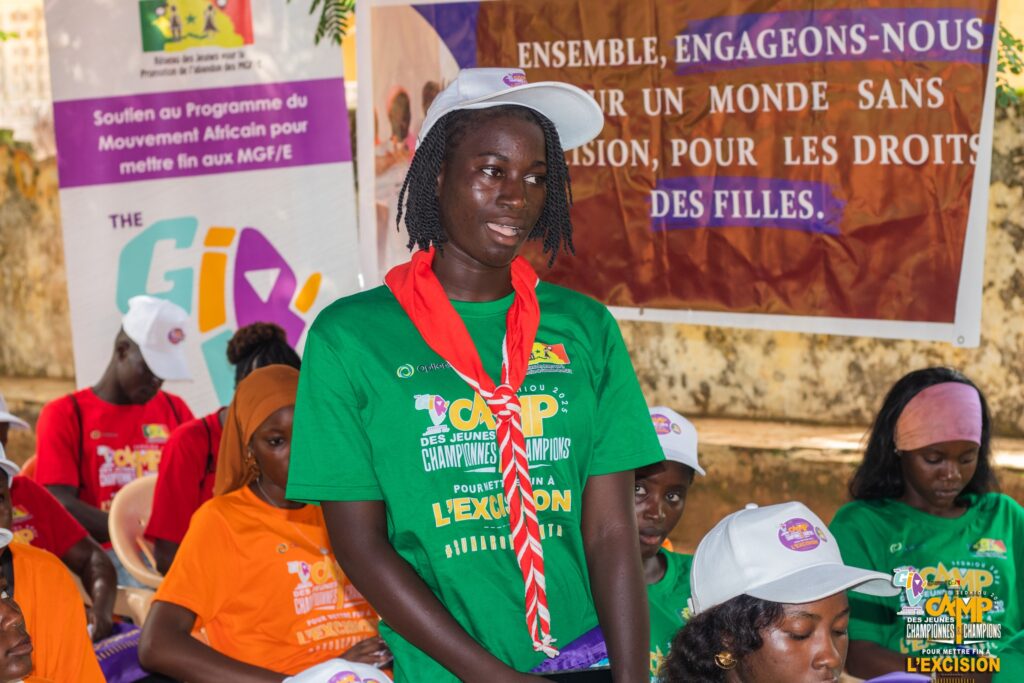
This reversal of approach changed everything. Indeed, with the involvement of young girls, the project is more relevant and anchored in reality. Thanks to their ideas and feedback, the Youth Network has been able to adapt its activities to the real needs of its targets. In addition, the girls' involvement has led to greater buy-in and mobilization, indirectly reaching potential beneficiaries.
The network has seen the emergence of a generation of young women who are more confident, more vocal, able to dialogue with local authorities and influence the establishment of community listening spaces to prevent harassment. This evolution represents a real transformation in the relationship to power.
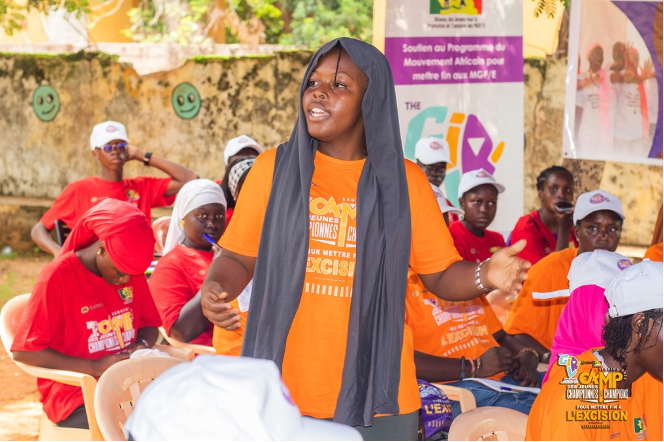
At the time, she was completely unaware of what to do in the event of rape, or of any referral structures. By taking part in the activities organized by the Youth Network, she was able to acquire valuable knowledge about care and support for survivors. Today, she uses her voice to prevent, support and empower young girls in her community.
This individual shift, from silent victim to agent of change, illustrates the power of locally-rooted, human-rights-based approaches that value young girls' own appropriation of challenges and formulation of solutions. Young girls are transformed from mere beneficiaries into agents of change and advocates in defense of their rights.
On the other side of the continent, in Benin, the Groupe de Jeunes Filles et Femmes Autonomes (GJFA-ONG) demonstrates that economic emancipation and leadership are deeply connected. The organization places young girls at the heart of all its actions, not as beneficiaries, but as co-creators and agents of community change.
They take part in project design, formulate their own priorities for action and decide on the strategies to be adopted on issues as crucial as gender-based violence, sexual and reproductive health and local accountability. These participatory spaces have transformed the posture of these girls, who are now able to engage in dialogue with decision-makers.
In the communes of Bopa and Houéyogbé, girls' advocacy has led to the inclusion of budget lines dedicated to the fight against GBV and the promotion of girls' health and rights. This is a major step forward, demonstrating that their voice no longer stops at awareness-raising workshops, but is echoed in local public policies.
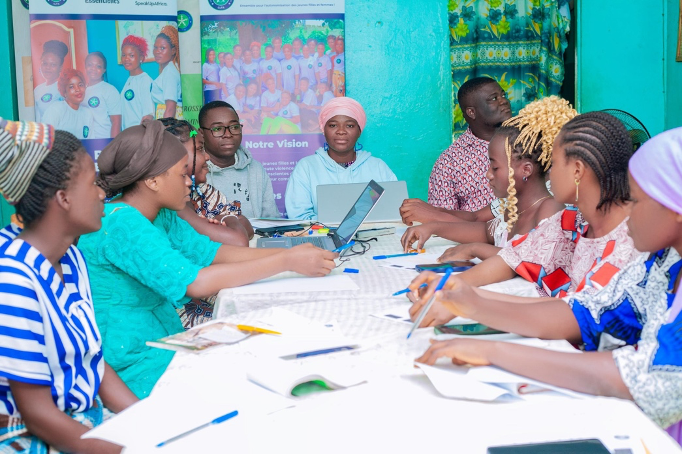
Young beneficiaries taking part in an advocacy message workshop
The story of Dorcas Megbehou embodies this evolution. Initially a participant in GJFA activities, she was mentored into entrepreneurship in market gardening and animal husbandry to generate income to pursue her studies. Today, she is an independent entrepreneur, mentor and spokesperson for other girls in her commune. Her story sums up the organization's philosophy: the achievement of financial autonomy as a springboard to political empowerment and legitimacy.
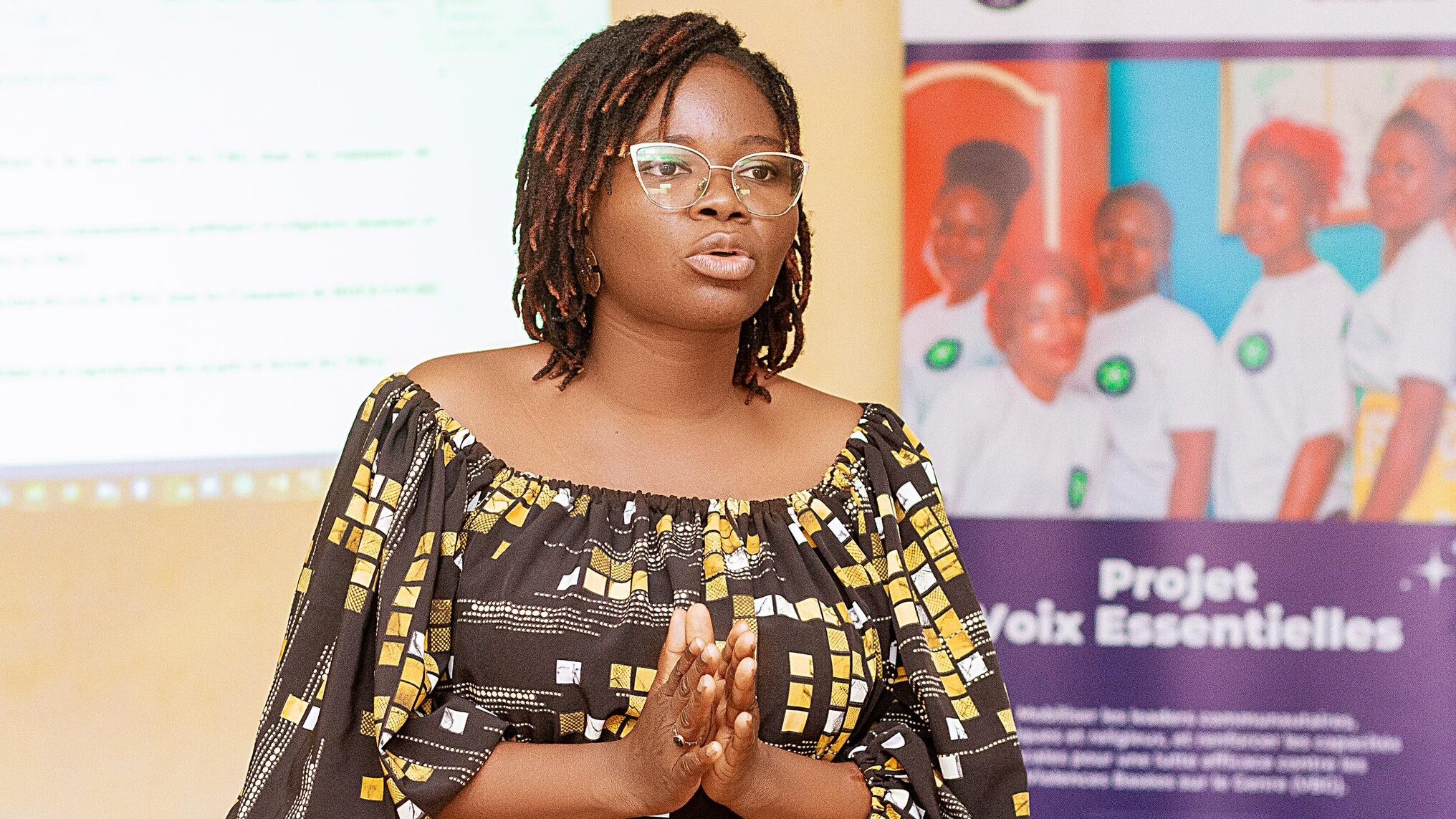
Today, these young girls are no longer content to simply demand their rights, they are negotiating, influencing and redefining the rules of the game within their communities. Their presence at communal meetings, their involvement in GBV/SSRD consultation frameworks, and their local advocacy campaigns bear witness to one thing: female leadership is no longer an abstract concept, but a tangible political reality, being built from the ground up.
What these two organizations show is that lasting transformations come not from global declarations, but from the ability to localize the ambition of women's leadership to meet the challenges of improving their condition. Global debates on gender equality speak of participation, resilience and economic empowerment. Their application on the ground comes to life when a girl dares to denounce a forced marriage, or when another obtains a microcredit to finance her business.
By integrating girls into design, implementation and advocacy, these initiatives illustrate a change of scale: from an approach "for girls" to one "by girls". This change, although local, is part of a global reflection on the relocation of power in development. It responds to repeated calls for international aid to be more feminist, more rooted in community dynamics, where local knowledge and priorities dictate solutions.
As we celebrate International Day of the Girl, we must not only remember their rights, but listen to their voices, understand their strategies, and above all, give them a lasting place in the governance of change. Because Africa's future will not be built for girls, but with them.
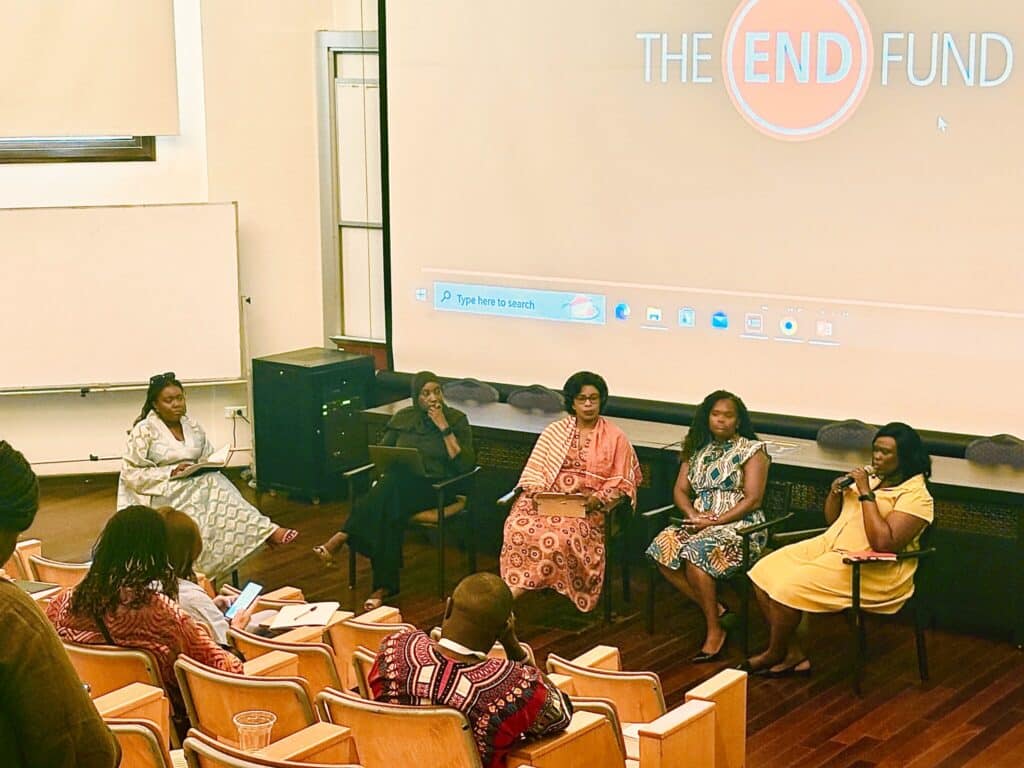
At the 6th African Philanthropy Conference, held in Cairo from July 28 to 31, 2025, Yvette Alavo, executive director of the NGO Icone 360°, president of the Zero Palu Coalition, advisor to the CCM, and beneficiary of the Voix EssentiELLES program, spoke during the session “Innovative Health Financing: Toward Sustainable Investment in Disease Elimination,” moderated by Speak Up Africa and The END Fund.
Having been involved in the fight against malaria in Benin for over a decade, Yvette discussed the challenges faced by community-based organizations, particularly since the NFM3, and how the CG7 has helped better identify the needs of communities.
Yvette emphasized thestrategicroleof CSOsin addressing major health challenges, particularly malaria, and the importance of exploringinnovative solutions for inclusive and sustainable development. She advocated for:
She also pointed out that progress is threatened by a range of challenges:
In light of these findings, Yvette recommends:
Yvette bases her vision on four key pillars:
For Yvette, the success of philanthropic and health initiatives in Africa will depend on three key factors: sustained and equitable funding, collaborative governance, and the full integration of communities into these strategies. She asserts that CSOs, in partnership with governments and donors, must be at the heart of this transformation.
In conclusion, Yvette advocates a clear vision: Africa must fund its own struggles, tell its own stories, and harness technology to serve its needs. The ideas, energy, and skills are already there. What is needed now is to turn words into action, with women and communities at the center.