
05 05 2026
Blog

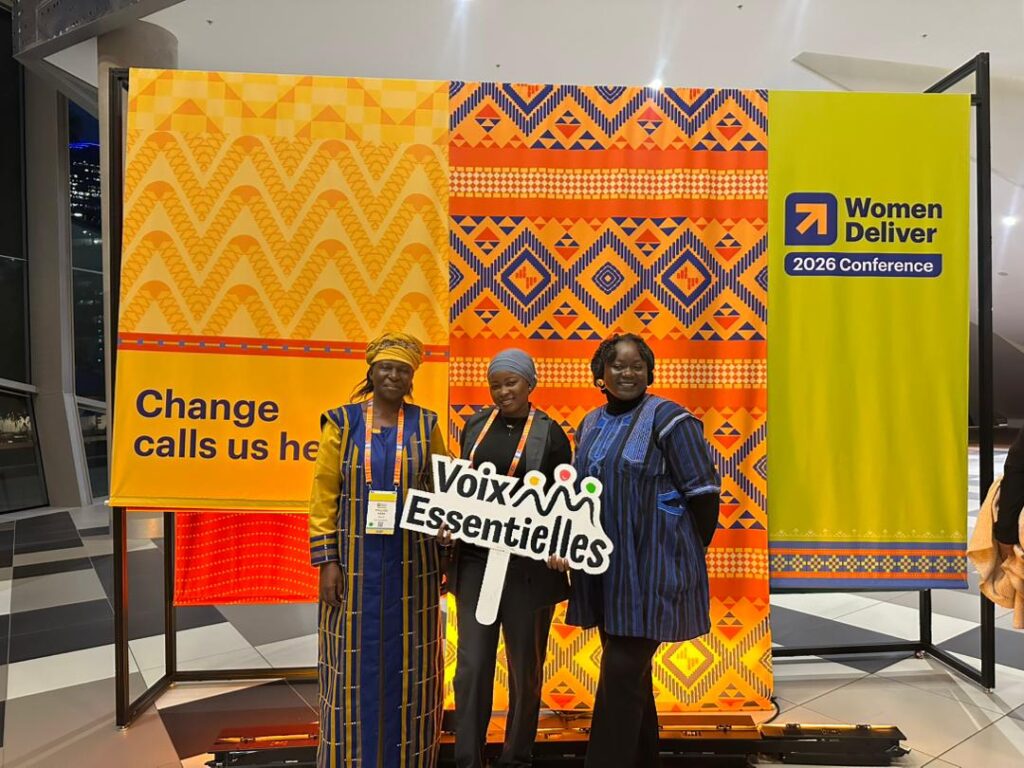
By Farida Tiemtoré, Founding President of the Réseau des Héroïnes du Faso, Voix EssentiELLE of Burkina Faso, and Member of the Global Fund’s Youth Council
Climate justice, health, and women’s rights were at the heart of the discussions at Women Deliver 2026, driven by a strong conviction: climate crises are never neutral. They exacerbate the inequalities already faced by adolescent girls, young women, and women, particularly in terms of health and sexual and reproductive rights.
The Voix EssentiELLES Network of Burkina Faso had the honor of participating in this international conference thanks to the support of Speak Up Africa, our strategic partner and the initiator of the Voix EssentiELLES program. This support enabled us to take part in a global forum for reflection and advocacy, and above all, to bring the realities on the ground to where they need to be heard.
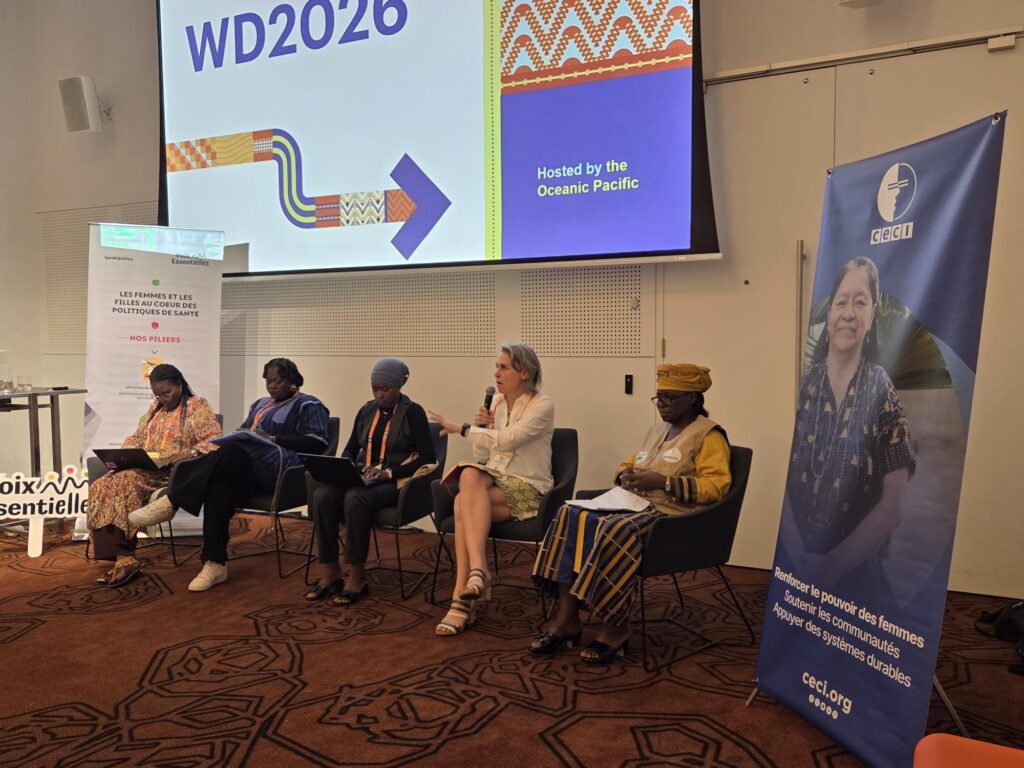
Women Deliver 2026, which brings together thousands of stakeholders from around the world at each event, provided a premier platform for dialogue. Together with CECI, we co-organized a panel discussion on the links between climate justice, sexual and reproductive rights, and collective action by women in West Africa.
The discussions, moderated by Faïzatou Sirandou Sylla, Secretary General of the Réseau des Héroïnes du Faso and Voix EssentiELLE in Burkina Faso, brought together committed women activists working on complementary issues in the field.
Jessica Hessouh, ofthe Association of Senegalese Women Lawyers (AJS), shared innovative approaches to supporting adolescent girls who are victims of gender-based violence, particularly sexual violence. Her presentation underscored the importance of access to justice, information, and protection mechanisms in ensuring the bodily autonomy of girls and women.
Julie Théroux-Séguin of CECI highlighted the challenges faced by feminist organizations as some donors gradually withdraw their support. She emphasized the need to strengthen alliances, advocacy strategies, and feminist approaches rooted in local realities to ensure the continuity of women-led initiatives.
As the discussion progressed, one thing became clear: solutions already exist within communities, but they still receive too little recognition and support on a large scale.
During my remarks, I made a point of highlighting a reality that is still too often overlooked in international debates:
“The impact of climate change is still too often discussed in isolation from sexual and reproductive health and rights. Yet it is a key factor in the rise of gender-based violence and health challenges for girls and women, particularly in the Sahel.”
In many communities, the effects of climate change are exacerbating existing vulnerabilities. Forced displacement, food insecurity, limited access to healthcare, and humanitarian crises leave women and adolescent girls more vulnerable to violence, early marriage, and poor health.
Yet it is also these women who document the realities on the ground, raise awareness, provide support, and develop solutions tailored to the needs of their communities.
This session underscored a fundamental truth: climate justice cannot be conceived without the rights of women and girls.
In my presentation, I also discussed the evolution of the Réseau des Héroïnes du Faso, which has grown from an activist blog into a community-based feminist organization thanks to the Voix EssentiELLES program.
In contexts where access to information remains unequal, digital technology is becoming a powerful tool for young girls and women to express themselves, raise awareness, and take action.
As Faïzatou Sirandou Sylla pointed out:
“When digital technology truly serves communities—especially young people—it becomes a tool for self-determination. It breaks down isolation, ensures access to reliable information, and strengthens the freedom to make decisions about one’s own body, particularly for young girls. And because climate crises hit the most vulnerable hardest, this power to take action also becomes a step toward climate justice.”
Through the initiatives led by Voix EssentiELLES, young girls and women are no longer merely recipients of information. They are becoming active participants, advocates, and solution providers.
In her remarks, Pauline Nana, president of the Association for the Support of Vulnerable Children and Women (ASEFV), highlighted the vital role of community-based organizations in responding to climate crises.
Drawing on fieldwork conducted with women and girls, she demonstrated how local initiatives led by member organizations of the Réseau Voix EssentiELLES strengthen efforts in the areas of health, awareness-raising, and protection.
His message resonated like a collective call:
“Our voices are essential to say no to the impact of climate change on the health of women and girls, and yes to the success of the struggle of women and girls.”
What the speakers collectively emphasized was a shared conviction: when local organizations led by women are recognized and supported as true partners, the solutions become more appropriate, more effective, and more sustainable.
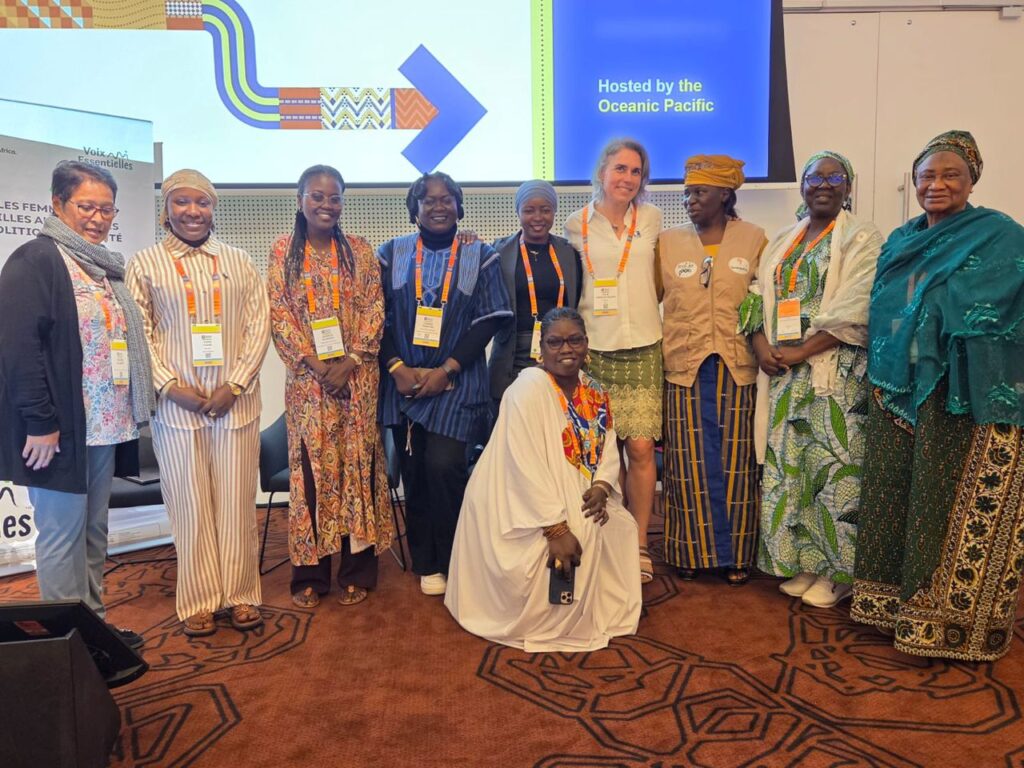
Women Deliver 2026 was an important opportunity to highlight that climate, health, and social issues are deeply intertwined with the rights of women and girls.
Above all, this session highlighted the power of solutions driven by the communities themselves. Through advocacy, legal support, community partnerships, and digital tools, local organizations are developing concrete solutions rooted in their own realities.
Because women and girls aren’t just affected by crises.
They are also at the heart of the response.