
23 05 2025
Blog

From May 6 to 8, 2025, Nairobi played host to the Evidence for Development Conference , a strategic gathering of researchers, decision-makers, practitioners and community leaders with a common goal: to advance Africa's development agenda through data-driven solutions driven by Africans themselves.
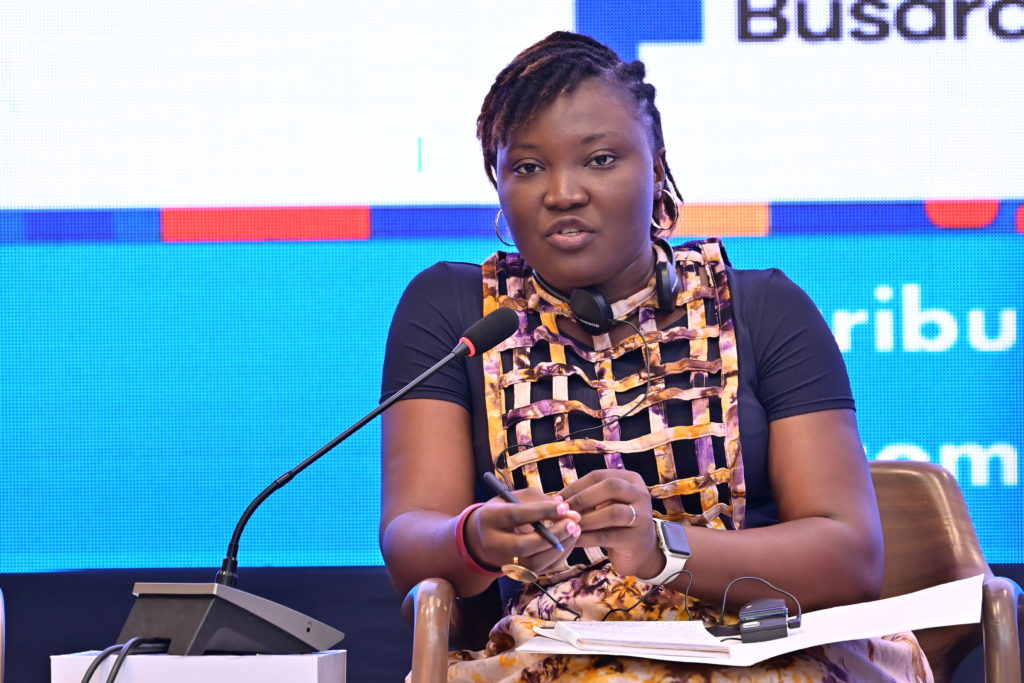
In this context, the session entitled "How can equity and inclusion accelerate Africa's progress towards Agenda 2063?" gave the floor to committed figures in research, health and development. Among them, Amanda Sawadogo, General Secretary of theAssociation de soutien aux enfants et femmes vulnérables in Burkina Faso and member of the Voix EssentiELLES network, delivered a powerful speech on behalf of communities who, all too often, remain on the margins of decision-making.
Making science accessible, representative and useful
Amanda opened the discussion by highlighting the persistent imbalances that hinder equitable access to research and innovation. For if science has the power to transform our societies, it must be produced and shared equitably.
Noting that discussions and decisions on research and study areas and themes often fail to include local knowledge and women's perspectives, Amanda draws up a list of urgent actions that need to be taken to integrate these community experiences into the design of development projects.
In her view, Africa must regain control of its scientific production, which means :
This message is fully in line with the ambitions of Agenda 2063, which recognizes science, technology and innovation as pillars of the continent's socio-economic transformation.
Rebalancing power relationships for inclusive governance
Beyond the research, Amanda focused on the systemic barriers that still hinder the access of young people, women and people living with disabilities to decision-making spaces. All too often, leadership is reserved for an elite that meets implicit criteria: age, social status, physical validity, male gender.
Through her experience with the Global Fund's CCM in Burkina Faso and as French-speaking focal point for the Learning Hub "Community, Rights and Gender" of the Réseau d'Accès aux Médicaments Essentiels (RAME), she embodies a new generation of community leaders for whom it's no longer a question of simply being present around the table, but of really weighing in on decisions. In addition to the introduction of binding quotas, we also need to provide communities with genuine support in these areas of governance, to maximize their advocacy and ensure that the specific needs of populations are genuinely taken into account in policy-making and budget allocation.
Empowering communities to create change
Finally, Amanda insisted that sustainable solutions emerge from the communities themselves, provided they are listened to, funded and involved from the outset. She called for:
For her, the Voix Essentielle initiative is a concrete example of this approach: by entrusting community organizations with the means to deliver grassroots solutions, the program demonstrates that impact comes first and foremost through trust, direct funding and active listening to real needs.
Equity is not an extra: it's the condition for progress
Through her speech, Amanda reaffirmed a strong conviction shared by all Speak Up Africa programs:
"To fully realize Agenda 2063, it is essential to trust local skills, foster inclusive policies, and amplify the voices of those who innovate every day in the service of the continent."
Far from abstract speeches, Amanda Sawadogo reminds us that Africa's future lies in its ability to listen to, equip and trust its communities.