Disease Elimination: Yvette Alavo Calls for Innovative Funding in Cairo
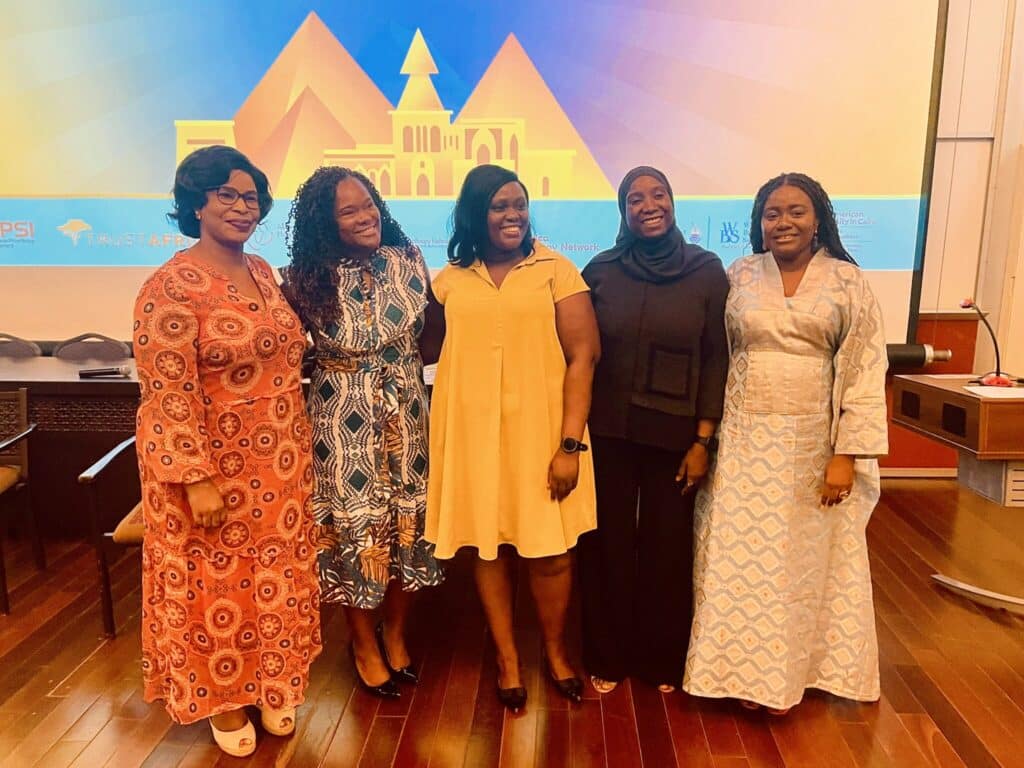
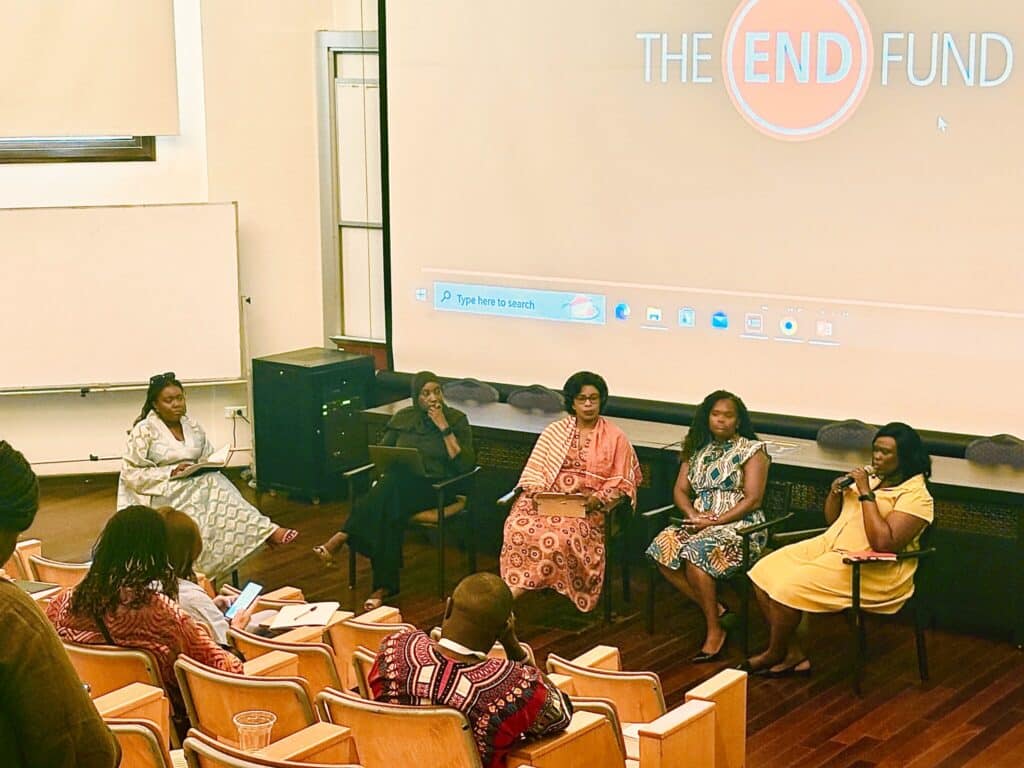
At the 6th African Philanthropy Conference, held in Cairo from July 28 to 31, 2025, Yvette Alavo, executive director of the NGO Icone 360°, president of the Zero Palu Coalition, advisor to the CCM, and beneficiary of the Voix EssentiELLES program, spoke during the session “Innovative Health Financing: Toward Sustainable Investment in Disease Elimination,” moderated by Speak Up Africa and The END Fund.
Having been involved in the fight against malaria in Benin for over a decade, Yvette discussed the challenges faced by community-based organizations, particularly since the NFM3, and how the CG7 has helped better identify the needs of communities.
Yvette emphasized thestrategicroleof CSOsin addressing major health challenges, particularly malaria, and the importance of exploringinnovative solutions for inclusive and sustainable development. She advocated for:
capacity building for CSOs and the formalization of the status of community health workers;
the effective integration of communities into public policy;
the reallocation of budgets and the simplification of mechanisms to ensure sustainable and accessible funding for CSOs working on the ground;
the adoption of innovative tools (vaccines, advanced mosquito nets, genetically modified mosquitoes) to anticipate and address resistance to drugs and insecticides;
more inclusive community advocacy that gives women and marginalized groups a full voice, utilizing both social media and legal advocacy.
She also pointed out that progress is threatened by a range of challenges:
Structural issues:insufficient coordination between CSOs and national programs, inconsistent data, lack of planning.
Financial:chronic underfunding, delays in disbursement, and unequal distribution of resources.
Healthcare:self-medication, counterfeit drugs, misuse of resources.
Social and cultural:non-inclusive communication, limited community involvement in decision-making.
In light of these findings, Yvette recommends:
tostrengthen the structures and technical capacityof CSOs, in particular by formalizing the role of community health workers and utilizing digital tools such as DHIS2;
to optimize fundingby adhering to disbursement deadlines and prioritizing CSOs active in the field;
to innovateby adopting new preventive and therapeutic tools, and by forecasting demand to avoid stockouts;
tomobilize politicallyto ensure sustainable funding and the effective implementation of free healthcare;
to ensure an inclusive community-based approach that fully involves women and marginalized groups in all stages of planning and implementation.
Yvette bases her vision on four key pillars:
Community-centered approaches– involving communities from the outset, building local capacity, tailoring interventions to cultural realities, and leveraging local resources.
Building coalitions– fostering partnerships with CSOs, the private sector, and public institutions, and creating sustainable networks to share resources and strategies.
Tailored advocacy strategies—combining community outreach, direct engagement with policymakers, collective mobilization, social media campaigns, and legal advocacy.
Inclusion and sustainability– ensuring that all voices are heard, establishing ongoing monitoring and evaluation, and building long-term capacity for independent advocacy.
For Yvette, the success of philanthropic and health initiatives in Africa will depend on three key factors: sustained and equitable funding, collaborative governance, and the full integration of communities into these strategies. She asserts that CSOs, in partnership with governments and donors, must be at the heart of this transformation.
In conclusion, Yvette advocates a clear vision: Africa must fund its own struggles, tell its own stories, and harness technology to serve its needs. The ideas, energy, and skills are already there. What is needed now is to turn words into action, with women and communities at the center.